How Lifestyle Affects Your Menstrual Cycle
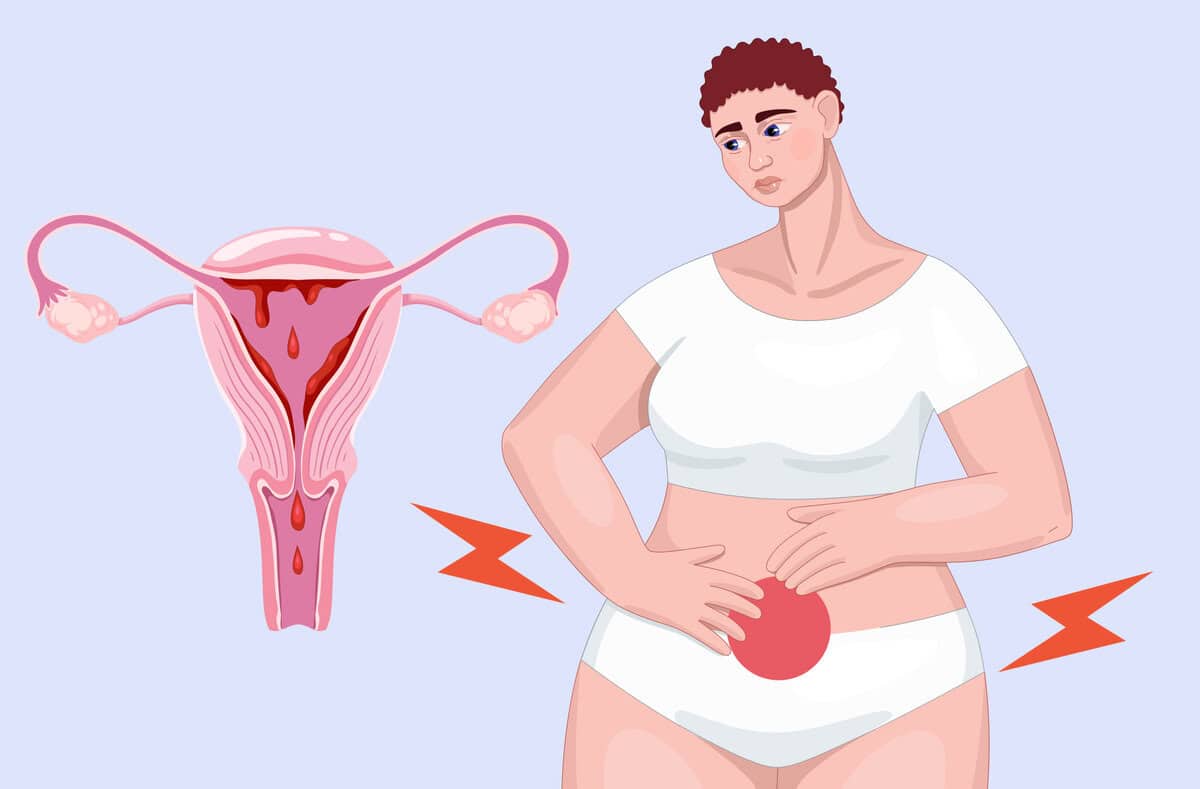
Your menstrual cycle is deeply connected to your daily lifestyle. What you eat, how you sleep, how much stress you experience, and how active you are can all influence hormone balance, ovulation, and period regularity. While occasional changes are normal, long-term lifestyle habits can shape how your cycle functions over time.
Understanding how lifestyle affects your cycle allows you to make informed choices, track changes accurately, and support both cycle health and pregnancy planning. By tracking your cycle across all phases—normal, menstrual, follicular, ovulation, luteal, and late period—you can see how lifestyle factors influence your body month by month.
Track Cycle: Why Lifestyle Tracking Matters
Cycle tracking becomes far more powerful when combined with lifestyle awareness. A cycle tracker does more than record period dates—it helps you connect daily habits with hormonal changes.
Tracking your cycle alongside lifestyle factors helps you:
-
Identify causes of cycle irregularities
-
Understand energy and mood patterns
-
Improve cycle predictability
-
Support hormonal balance naturally
-
Make informed health decisions
Recording stress, sleep, activity, and nutrition in a website or mobile app creates a clearer picture of how your body responds to everyday choices.
Track Pregnancy: Lifestyle and Fertility Connection
Lifestyle habits strongly influence fertility and early pregnancy. Factors such as stress, nutrition, and sleep affect ovulation timing, egg quality, and hormone levels.
Tracking pregnancy-related signs alongside lifestyle habits helps you:
-
Improve chances of conception
-
Understand delayed ovulation
-
Recognize early pregnancy symptoms
-
Reduce avoidable cycle disruptions
A balanced lifestyle supports both regular cycles and healthy pregnancy outcomes.
Normal Cycle: Lifestyle’s Role in Cycle Regularity
A healthy lifestyle often supports a stable, predictable menstrual cycle.
Lifestyle factors that support a normal cycle:
-
Balanced nutrition
-
Regular sleep schedule
-
Moderate physical activity
-
Effective stress management
Lifestyle-related changes you may notice:
-
Shorter or longer cycles during stressful periods
-
Lighter or heavier periods with dietary changes
-
Improved regularity with consistent routines
Tracking your normal cycle over time helps you see which habits promote balance and which disrupt it.
Pregnancy relevance:
Regular cycles make ovulation easier to predict, improving fertility awareness.
Menstrual Phase: Lifestyle and Period Experience
Lifestyle habits influence how your period feels and flows.
How lifestyle affects the menstrual phase:
-
Poor sleep may increase fatigue
-
High stress can intensify cramps
-
Inadequate nutrition may worsen bleeding
-
Dehydration can increase discomfort
What to track:
-
Pain levels
-
Flow intensity
-
Energy levels
-
Sleep quality
Gentle movement, proper hydration, and rest often support a smoother menstrual phase.
Pregnancy relevance:
Consistent tracking helps distinguish normal period changes from unusual bleeding.
Follicular Phase: Energy, Nutrition, and Focus
The follicular phase is a time of rising energy and mental clarity.
Lifestyle impacts during this phase:
-
Nutritious meals support hormone production
-
Physical activity enhances energy
-
Poor sleep may delay ovulation
-
High stress can slow hormonal signals
What to track:
-
Motivation
-
Focus
-
Exercise tolerance
-
Appetite changes
A supportive lifestyle during this phase prepares the body for ovulation.
Pregnancy relevance:
A healthy follicular phase supports proper egg development and fertility.
Ovulation Phase: Lifestyle and Fertility Health
Ovulation is highly sensitive to lifestyle factors.
Lifestyle influences on ovulation:
-
Chronic stress can delay or suppress ovulation
-
Extreme exercise may disrupt fertility
-
Balanced nutrition supports hormone balance
-
Adequate sleep improves ovulation consistency
What to track:
-
Cervical mucus changes
-
Libido
-
Ovulation symptoms
-
Stress levels
Accurate tracking helps identify lifestyle-related ovulation delays.
Pregnancy relevance:
Ovulation timing determines fertile windows. Lifestyle balance improves conception chances.
Luteal Phase: Stress, Mood, and Hormones
The luteal phase is influenced by progesterone and stress levels.
Lifestyle effects during this phase:
-
High stress may worsen PMS
-
Poor sleep can intensify mood changes
-
Overexertion may increase fatigue
-
Balanced routines support emotional stability
What to track:
-
Mood
-
Sleep quality
-
Appetite
-
Physical symptoms
Supporting the body during this phase helps maintain hormonal stability.
Pregnancy relevance:
A healthy luteal phase supports implantation and early pregnancy.
Late Period: Lifestyle-Related Delays
Lifestyle factors are common causes of late periods.
Common lifestyle-related reasons:
-
Sudden stress
-
Travel and time zone changes
-
Weight fluctuations
-
Illness or exhaustion
What to track:
-
Stress levels
-
Recent changes in routine
-
Ovulation timing
Understanding lifestyle-related delays helps reduce anxiety and misinterpretation.
Pregnancy relevance:
Tracking ovulation helps determine whether a late period is due to lifestyle or pregnancy.
Lifestyle Habits That Support a Healthy Cycle
Healthy habits that often improve cycle regularity include:
-
Consistent sleep schedules
-
Balanced, nourishing meals
-
Moderate exercise
-
Stress reduction practices
-
Adequate hydration
Tracking lifestyle habits alongside your cycle helps you see which changes have the most impact.
When Lifestyle Changes May Signal a Problem
While lifestyle affects your cycle, persistent changes may need attention.
Track closely if you notice:
-
Ongoing missed periods
-
Frequent cycle irregularity
-
Severe symptoms despite healthy habits
-
Sudden cycle changes without clear lifestyle cause
Consistent data from a cycle tracker helps determine next steps.
Why Cycle & Pregnancy Tracking Work Best with Lifestyle Awareness
Combining cycle tracking, pregnancy tracking, and lifestyle awareness provides:
-
More accurate predictions
-
Better fertility insights
-
Early detection of imbalances
-
Greater confidence in reproductive health
Digital tracking tools make this integration easy and effective.
Final Thoughts
Your lifestyle plays a powerful role in shaping your menstrual cycle. Small, everyday choices—such as sleep, nutrition, stress management, and movement—can influence cycle regularity, ovulation, and period symptoms.
By tracking your cycle consistently and observing how lifestyle factors affect each phase, you gain valuable insight into your body’s needs. Awareness empowers you to make choices that support both menstrual health and pregnancy planning.
Related Articles
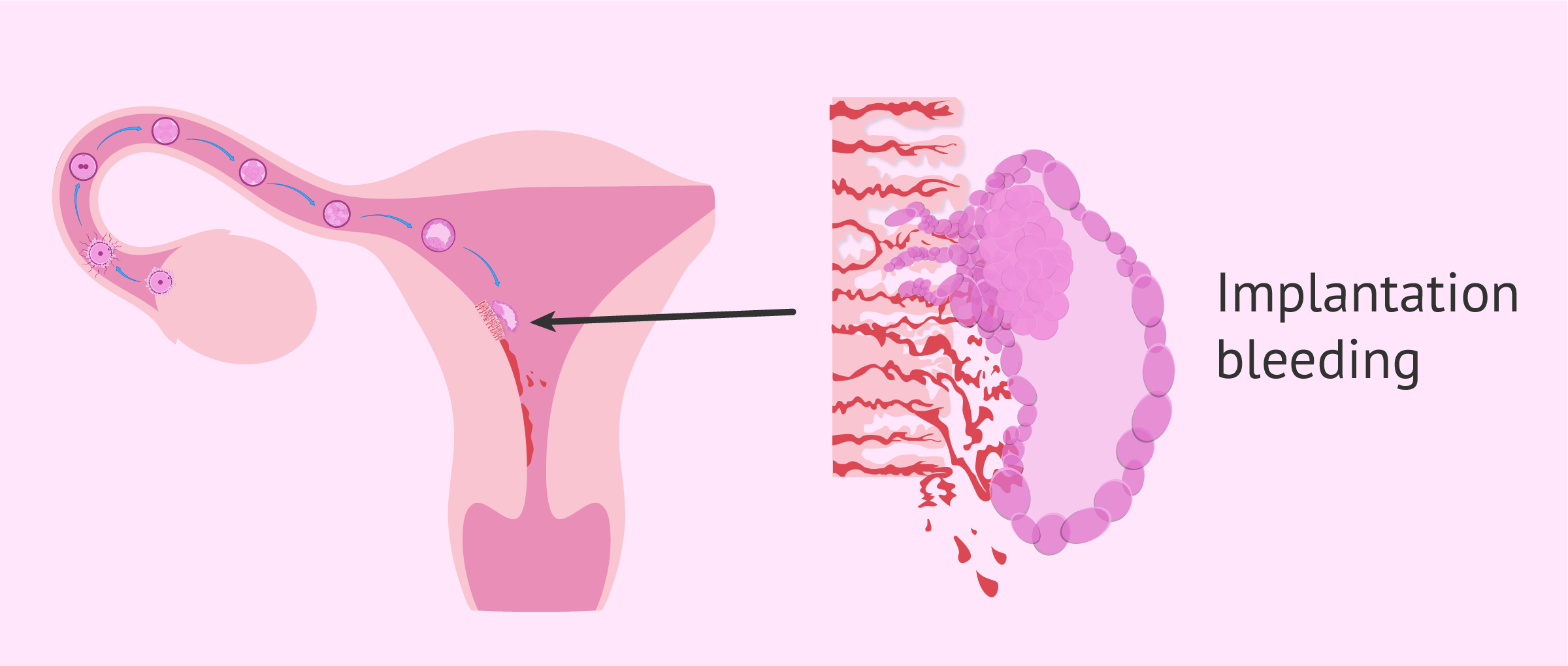
Understanding Early Pregnancy Changes
Understanding Your Baby’s Timeline
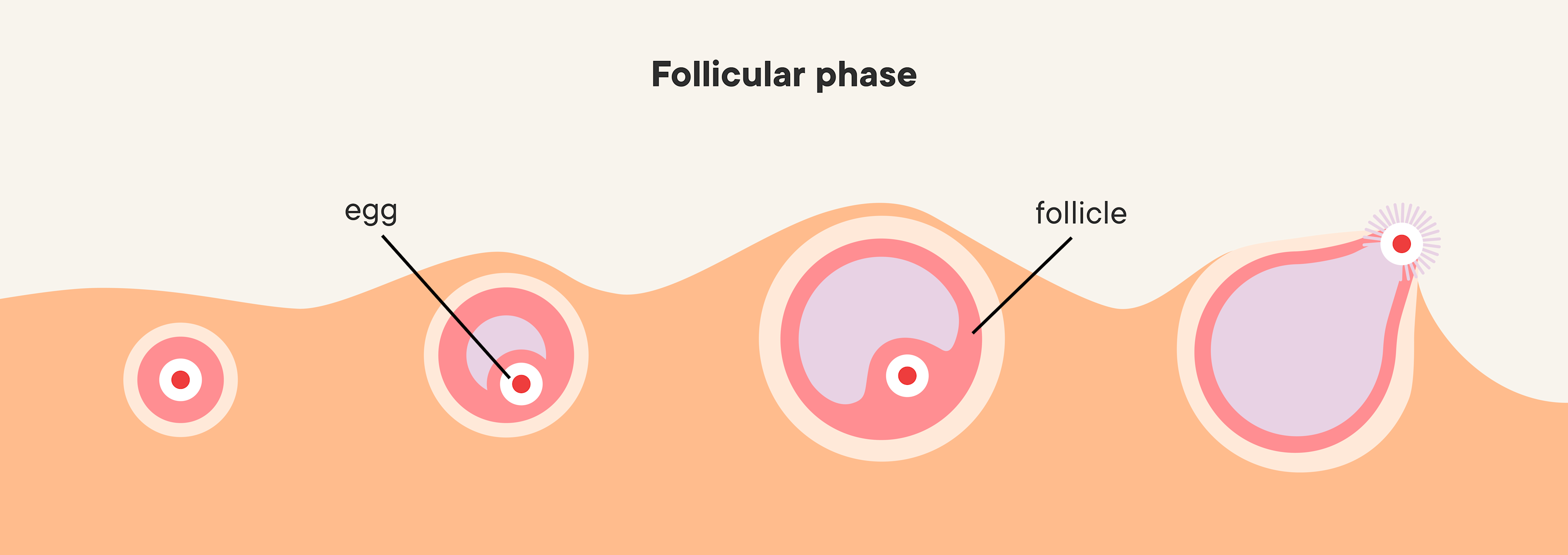
Understanding Fertility Windows and Planning for Conception
Understanding Timing, Accuracy, and Results
Understanding Your Menstrual Cycle: What Each Phase Means

Menstrual Hygiene Tips During Your Period
What a Healthy Menstrual Cycle Looks Like
Understanding Your Menstrual Cycle and Tracking Your Period