Understanding Your Baby’s Timeline

regnancy is an exciting journey, filled with anticipation, questions, and preparation. One of the first milestones you may encounter is your pregnancy due date—the estimated day your baby is expected to arrive. Understanding how due dates are calculated, why they matter, and what factors can affect them can help you plan a healthy pregnancy and reduce anxiety along the way.
This article explores what a due date is, how doctors and apps calculate it, factors affecting accuracy, tips for expecting mothers, and when to see your healthcare provider.
What Is a Due Date?
A pregnancy due date is the estimated day when labor is likely to begin. It is based on the typical length of a full-term pregnancy, which is about 40 weeks (280 days) from the first day of your last menstrual period (LMP).
Key points:
-
Most babies are born between 37 and 42 weeks of pregnancy.
-
The due date is an estimate, not a guarantee of delivery on that exact day.
-
Knowing your due date helps with planning prenatal care, monitoring fetal growth, and preparing for labor and delivery.
Understanding your due date helps you track milestones such as fetal development, trimester changes, and important screenings.
How Doctors and Apps Calculate Due Dates
Due dates are calculated using a combination of menstrual history, physical examinations, and modern technology.
1. Using Your Last Menstrual Period (LMP)
This is the most common method:
-
Count 280 days (40 weeks) from the first day of your last period.
-
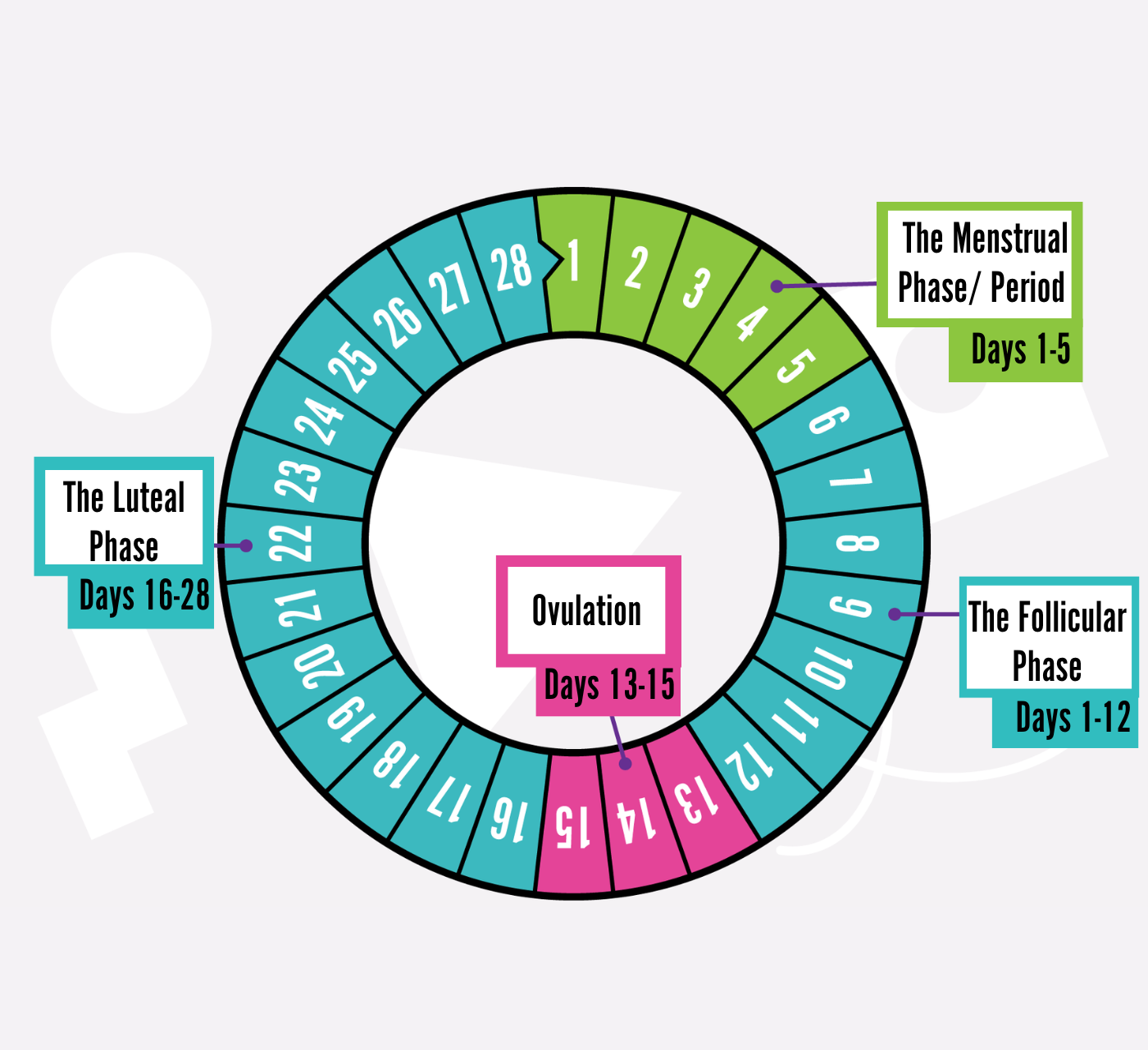
This method assumes a 28-day cycle with ovulation on day 14, which is average but not universal.
Example:
If your last period began on January 1, your estimated due date would be October 8.
2. Using Ultrasound
Early pregnancy ultrasounds can help confirm or adjust your due date:
-
First trimester (up to 13 weeks) ultrasound measurements of the embryo are highly accurate.
-
Later ultrasounds are less precise due to variations in fetal growth.
-
Ultrasound is especially useful if your cycle is irregular or your LMP is uncertain.
3. Using Pregnancy Apps and Online Calculators
Modern apps and online tools can estimate due dates by asking for:
-
First day of your last period
-
Average cycle length
-
Date of conception (if known)
These tools combine your information with standardized pregnancy timelines to provide an estimated due date.
Tip: Even the most advanced calculators provide estimates. Only about 5% of babies are born on their exact due date.
Factors Affecting Due Date Accuracy
Several factors can influence the accuracy of a due date, including:
-
Irregular Menstrual Cycles
-
Women with cycles longer or shorter than 28 days may have ovulation at a different time, affecting the calculation.
-
-
Uncertain Conception Date
-
If conception occurred later than expected, LMP-based calculations may be off.
-
-
Fetal Growth Variations
-
Some babies grow faster or slower in the womb, which can shift the expected delivery date.
-
-
Multiple Pregnancies
-
Twins or triplets are often delivered earlier than the standard 40-week timeline.
-
-
Late or Early Ovulation
-
Ovulation does not always occur on day 14 of your cycle. Apps and doctors may adjust due dates if ovulation is known to be early or late.
-
Understanding these factors can help manage expectations and prevent unnecessary stress if your baby arrives before or after the due date.
Why Knowing Your Due Date Matters
Knowing your due date is important for several reasons:
-
Prenatal Care Planning
-
Your healthcare provider can schedule ultrasounds, lab tests, and check-ups at the right time.
-
-
Monitoring Fetal Development
-
Growth milestones and development stages are tracked relative to gestational age.
-
-
Preparing for Labor and Delivery
-
Helps you and your support team plan logistics, childcare, and hospital arrangements.
-
-
Managing Health Risks
-
Helps identify post-term pregnancies (beyond 42 weeks), which may require intervention.
-
-
Mental Preparation
-
Gives you an idea of when to expect your baby, reducing uncertainty and stress.
-
Tips for Expecting Mothers
Maintaining a healthy pregnancy involves more than knowing your due date. Here are practical tips for expecting mothers:
1. Attend Regular Prenatal Checkups
-
Follow the schedule recommended by your healthcare provider
-
Screenings and tests help detect complications early
2. Eat a Balanced Diet
-
Include protein, calcium, iron, and folic acid
-
Stay hydrated and limit caffeine and processed foods
3. Stay Active Safely
-
Moderate exercise supports circulation, reduces stress, and improves energy
-
Avoid high-risk activities that could harm you or the baby
4. Manage Stress
-
Meditation, yoga, and deep-breathing exercises help maintain hormonal balance
-
Emotional well-being supports both mother and baby
5. Track Symptoms and Milestones
-
Use apps or journals to log fetal movement, weight changes, and emotional shifts
-
Tracking helps detect unusual symptoms early
6. Prepare for Labor
-
Discuss birth preferences with your provider
-
Pack a hospital bag in advance
-
Arrange support from family or a partner
When to See Your Healthcare Provider
It’s important to know when changes or symptoms require professional attention:
Call your doctor immediately if you experience:
-
Severe abdominal pain or cramping
-
Heavy bleeding or passing large clots
-
Sudden swelling in hands, face, or legs
-
Severe headaches, dizziness, or vision changes
-
Decreased fetal movement after 28 weeks
Regular checkups are essential for monitoring pregnancy health, adjusting due dates if necessary, and ensuring the safety of both mother and baby.
Conclusion
A pregnancy due date is more than just a calendar mark—it’s a tool that helps you plan, track, and monitor your pregnancy. By understanding how due dates are calculated, the factors affecting accuracy, and the importance of prenatal care, you can approach pregnancy with confidence and preparedness.
Remember:
-
Due dates are estimates, not guarantees
-
Tracking your cycle, conception, and symptoms helps ensure accuracy
-
Maintaining a healthy lifestyle, attending prenatal visits, and following medical advice are key to a smooth pregnancy journey
Your due date is a guide to help you prepare for one of life’s most exciting milestones. Knowing it, understanding it, and planning for it can make the journey safer, healthier, and more enjoyable.
Related Articles

Understanding Your Menstrual Cycle and Tracking Your Period

Common Cycle Changes and When to Worry
Understanding Early Pregnancy Changes

What Happens in Your Body During Menstruation
Understanding Your Menstrual Cycle: What Each Phase Means
Understanding Fertility Windows and Planning for Conception
What a Healthy Menstrual Cycle Looks Like
How Lifestyle Affects Your Menstrual Cycle