What Happens in Your Body During Menstruation
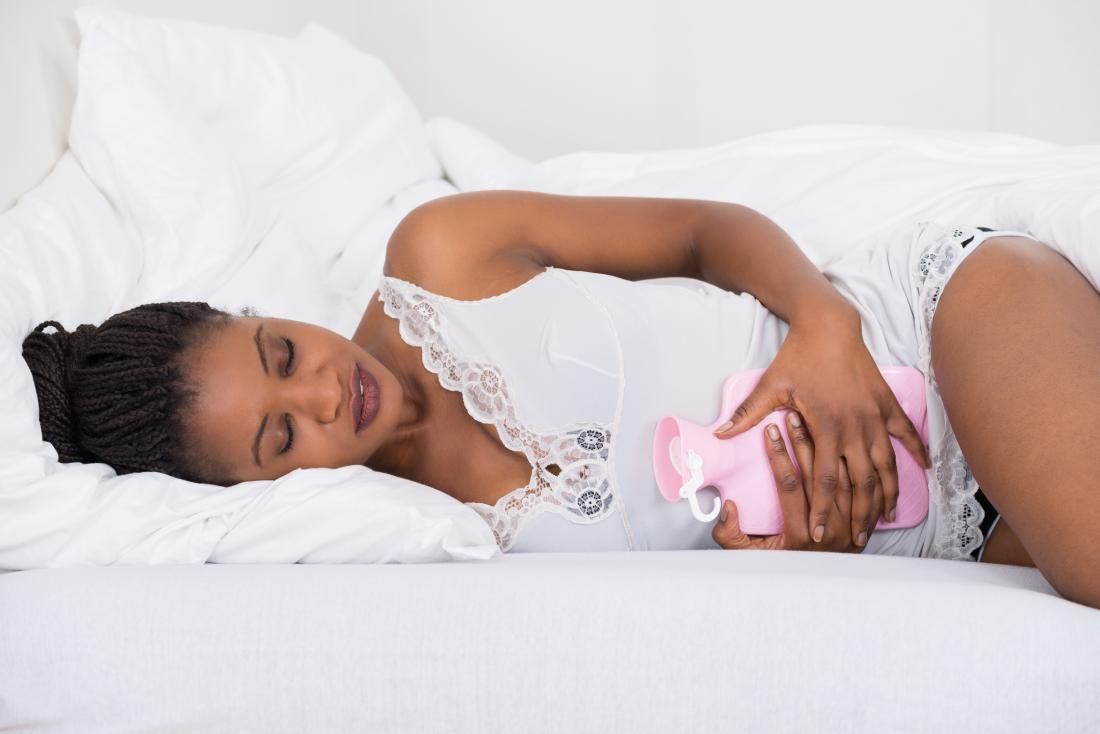
Menstruation is more than just a period of bleeding—it is a complex process involving hormonal changes, physical shifts, and emotional fluctuations. Understanding what happens in your body during menstruation empowers you to track your cycle accurately, manage symptoms effectively, and prepare for fertility or pregnancy tracking.
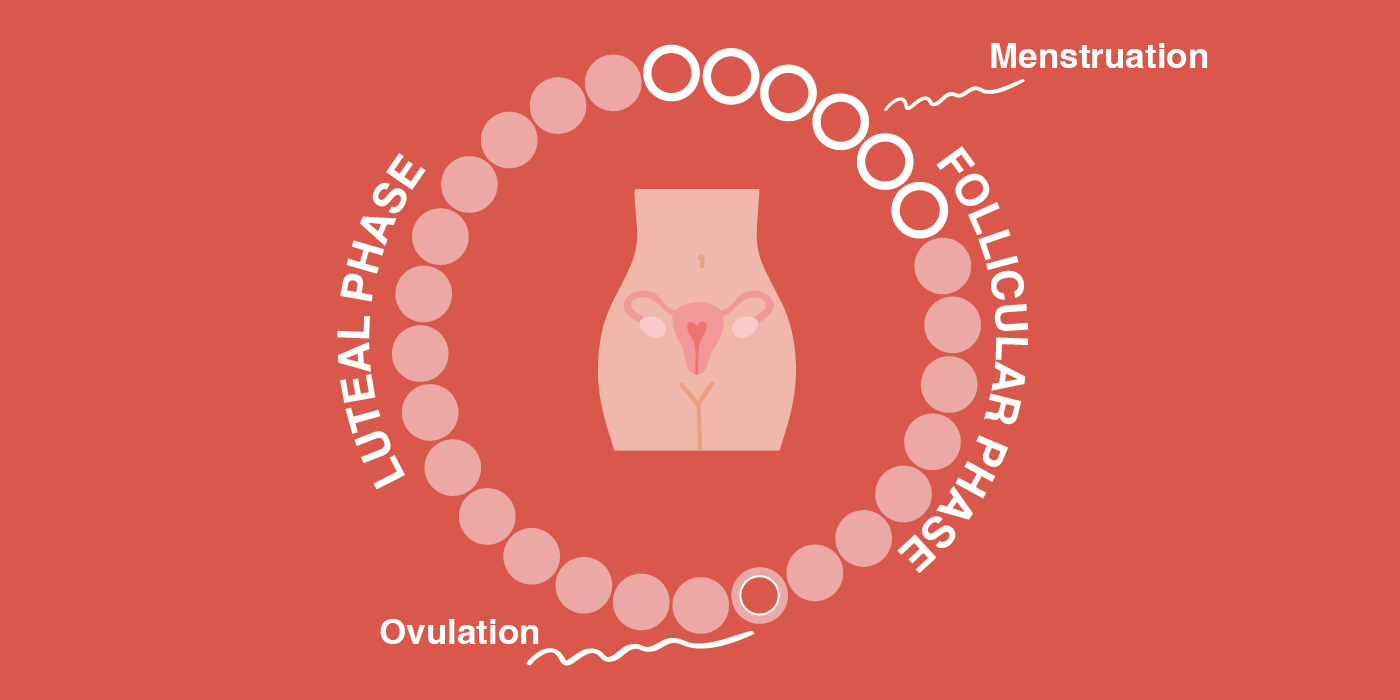
By observing your body through all cycle phases—normal, menstrual, follicular, ovulation, luteal, and late period—you gain insight into your reproductive health and learn to distinguish normal changes from potential issues.
Track Cycle: Why Understanding Menstruation Matters
Cycle tracking begins with understanding menstruation because it marks the first day of a new cycle. Tracking your period consistently allows you to:
-
Predict your next period accurately
-
Recognize irregular cycles early
-
Monitor symptoms such as cramps, fatigue, and mood changes
-
Understand how lifestyle affects your cycle
A website or mobile app can simplify this process by logging dates, symptoms, and flow intensity, turning raw data into meaningful insights.
Track Pregnancy: Menstruation and Fertility Awareness
Menstruation is the body’s natural reset for fertility. By understanding the changes during this phase, you can:
-
Confirm whether your cycle is progressing normally
-
Recognize early pregnancy signs if your period is delayed
-
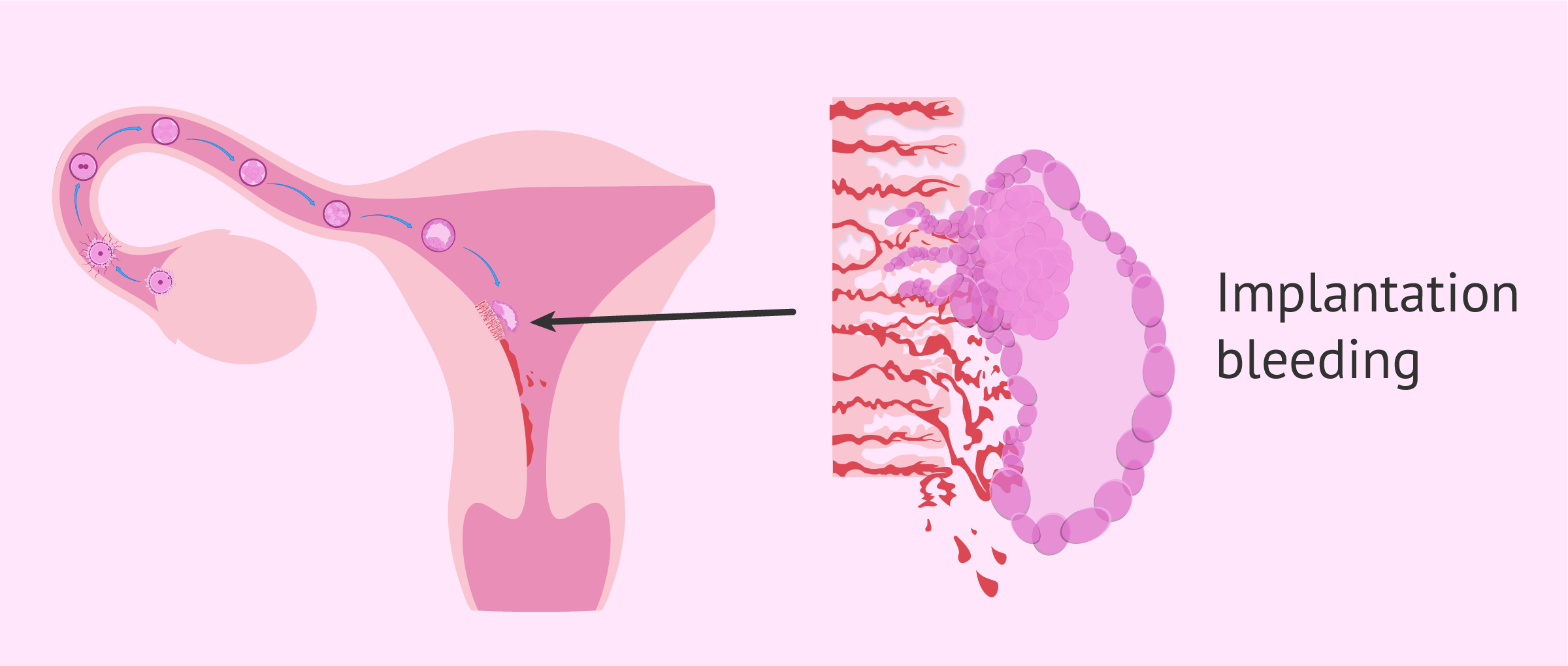
Differentiate between normal menstrual bleeding and implantation spotting
-
Track hormone patterns for fertility planning
Accurate observation and logging improve the reliability of pregnancy predictions.
Normal Cycle: The Role of Menstruation
In a normal menstrual cycle, menstruation typically lasts 3–7 days. This phase is characterized by shedding the uterine lining after hormone levels drop, signaling the end of one cycle and the beginning of the next.
Key Points of a Healthy Menstrual Phase
-
Blood flow varies from light to moderate
-
Cramps or mild discomfort may occur
-
Hormone levels (estrogen and progesterone) are low
-
Energy may be lower than in other phases
-
Mood changes are common
Tracking this baseline helps identify abnormalities such as very heavy bleeding, prolonged periods, or severe cramps.
Pregnancy relevance:
A normal period typically indicates no conception occurred in the previous cycle. Tracking menstruation helps spot deviations that might signal early pregnancy.
Menstrual Phase: Hormonal Changes in Your Body
During menstruation, several hormonal changes occur:
-
Drop in Progesterone and Estrogen
-
Causes the uterine lining to shed
-
Triggers menstrual bleeding
-
Can lead to mood swings and fatigue
-
-
Changes in Prostaglandins
-
Hormone-like compounds responsible for uterine contractions
-
High levels may cause cramps and back pain
-
-
Resetting the Cycle for Follicular Phase
-
Low hormone levels signal the pituitary gland to produce follicle-stimulating hormone (FSH)
-
This prepares the ovaries for the next egg maturation
-
Physical Changes During Menstruation
Several physical symptoms accompany the menstrual phase:
-
Bleeding: Light to heavy, sometimes with small clots
-
Cramps: Caused by uterine contractions
-
Bloating: Hormonal shifts can lead to water retention
-
Fatigue: Lower energy levels are common
-
Breast Tenderness: Due to changing estrogen and progesterone levels
-
Digestive Changes: Some women experience diarrhea or constipation
Tracking these symptoms in your cycle app helps anticipate discomfort and manage daily activities.
Emotional and Cognitive Changes
Hormonal fluctuations during menstruation can affect your mood and mental clarity:
-
Mood swings: Irritability or sadness may appear
-
Anxiety: Some women feel more anxious during heavy bleeding days
-
Concentration: Mental focus may dip temporarily
-
Sleep changes: Fatigue can affect sleep quality
Recording emotional and cognitive changes alongside physical symptoms improves cycle awareness and allows better preparation for each month.
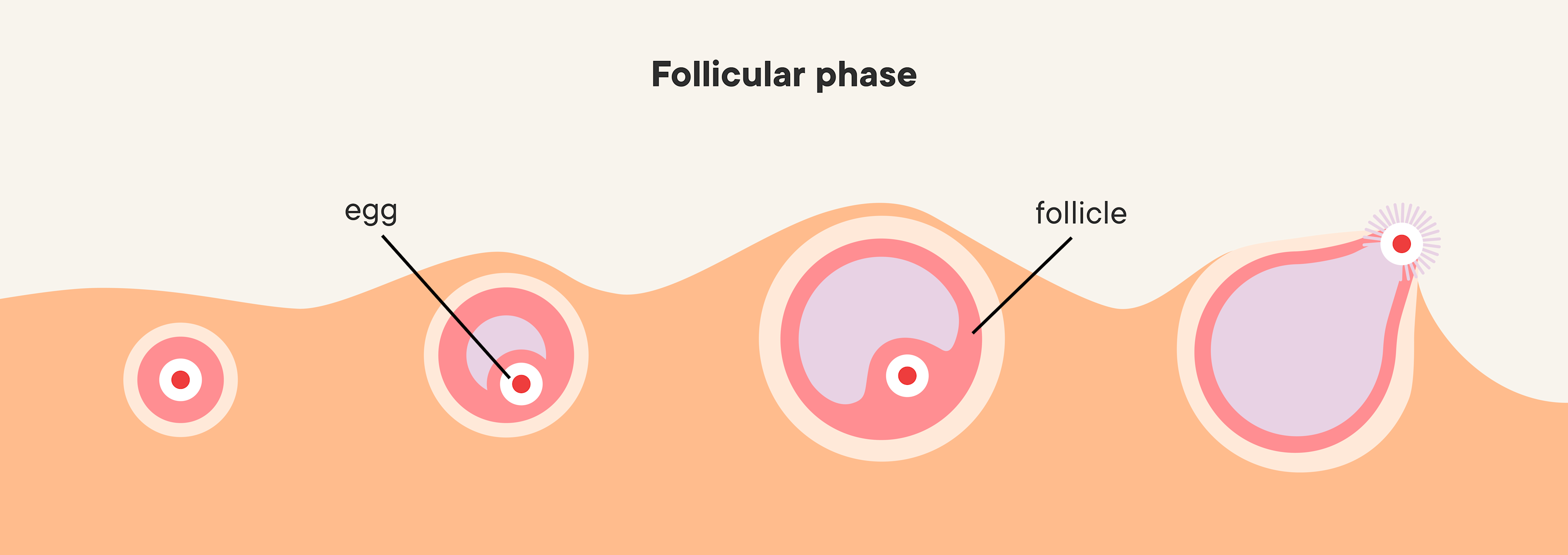
Follicular Phase: Preparing for Recovery After Menstruation
After the menstrual phase, your body enters the follicular phase:
-
Hormones begin to rise, particularly estrogen
-
Energy and mood gradually improve
-
The body prepares for ovulation
Understanding how menstruation transitions into the follicular phase is important for fertility tracking and predicting your next fertile window.
Ovulation Phase: Menstruation’s Indirect Impact
Although ovulation occurs about mid-cycle, menstruation sets the stage:
-
The uterine lining rebuilds after shedding
-
Hormonal balance affects ovulation timing
-
Tracking previous menstruation helps predict ovulation with better accuracy
Pregnancy relevance:
Accurate knowledge of menstruation dates is essential to identify fertile windows and assess potential conception timing.
Luteal Phase: Hormonal Preparation for Potential Pregnancy
After ovulation, your body enters the luteal phase:
-
Progesterone rises to prepare the uterus for implantation
-
Symptoms like bloating, fatigue, and mild cramps may reappear
-
A healthy menstrual phase helps regulate hormone patterns for a stable luteal phase
Pregnancy relevance:
If pregnancy occurs, hormone levels remain elevated, preventing menstruation and marking early pregnancy.
Late Period: Understanding the Absence of Menstruation
If your period does not arrive on time, several factors may be at play:
-
Stress or lifestyle changes
-
Delayed ovulation
-
Hormonal imbalances
-
Early pregnancy
Tracking tip:
Logging the start and end of your last period, flow characteristics, and symptoms helps determine whether a late period is normal or requires medical attention.
Menstrual Hygiene During Menstruation
Good hygiene is essential to avoid infections and discomfort:
-
Change pads or tampons every 3–6 hours
-
Wash hands before and after handling menstrual products
-
Clean the genital area daily with mild, unscented soap
-
Wear breathable cotton underwear
-
Track hygiene practices alongside symptoms
Proper menstrual hygiene supports comfort and helps distinguish normal cycle changes from potential health issues.
Lifestyle Factors Affecting Menstruation
Lifestyle can influence the menstrual phase:
-
Stress: May increase cramping or cause a delayed period
-
Sleep: Poor sleep can worsen fatigue and mood swings
-
Diet: Balanced nutrition reduces bloating and discomfort
-
Exercise: Moderate activity improves circulation and reduces cramps
Tracking lifestyle factors alongside menstruation improves your understanding of cycle health and can help predict changes.
When to Seek Medical Advice
Consult a healthcare provider if you notice:
-
Extremely heavy bleeding (soaking through pads/tampons every hour)
-
Periods lasting longer than 7 days consistently
-
Severe cramps affecting daily life
-
Persistent fatigue or dizziness
-
Unusual odor, discharge, or itching
Using a cycle tracker helps provide clear data to your doctor, allowing for accurate assessment and care.
Why Cycle & Pregnancy Tracking Work With Menstruation Awareness
Understanding menstruation enhances cycle tracking and pregnancy awareness by:
-
Accurately logging start and end dates
-
Recording flow intensity and symptoms
-
Tracking emotional and physical changes
-
Predicting ovulation and fertile windows
-
Detecting early pregnancy or irregularities
Digital tools make it easier to integrate all this information, turning raw data into actionable insights for reproductive health.
Final Thoughts
Menstruation is a vital process that signals the health of your reproductive system. From hormonal changes to physical and emotional symptoms, each aspect of menstruation offers insight into your body’s overall wellbeing.
By tracking menstruation consistently and understanding what happens during this phase, you can:
-
Manage symptoms effectively
-
Maintain hygiene and comfort
-
Improve cycle predictability
-
Support fertility and pregnancy planning
Awareness and consistency are key. Your menstrual phase is not just a few days of bleeding—it’s a complex, informative part of your cycle that sets the stage for your overall reproductive health.
Related Articles

Menstrual Hygiene Tips During Your Period
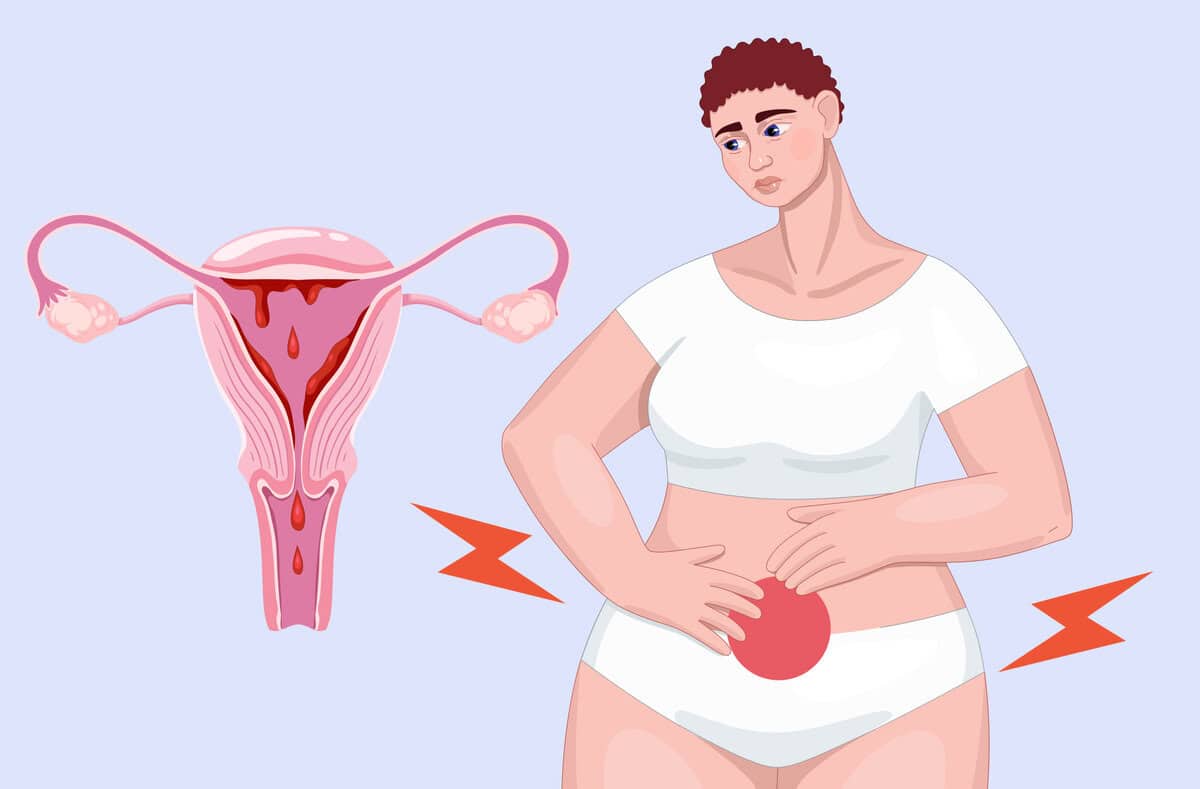
How Lifestyle Affects Your Menstrual Cycle
Understanding Your Menstrual Cycle and Tracking Your Period
Understanding Timing, Accuracy, and Results
Understanding Early Pregnancy Changes
Understanding Fertility Windows and Planning for Conception
Understanding Your Baby’s Timeline
What a Healthy Menstrual Cycle Looks Like