Ovulation Calculator
The ovulation calculator identifies your most fertile days based on your menstrual cycle. Whether you’re trying to conceive or avoid pregnancy naturally, this tool helps you understand your cycle, track ovulation, and make informed reproductive choices.
Understanding Fertility Windows and Planning for Conception
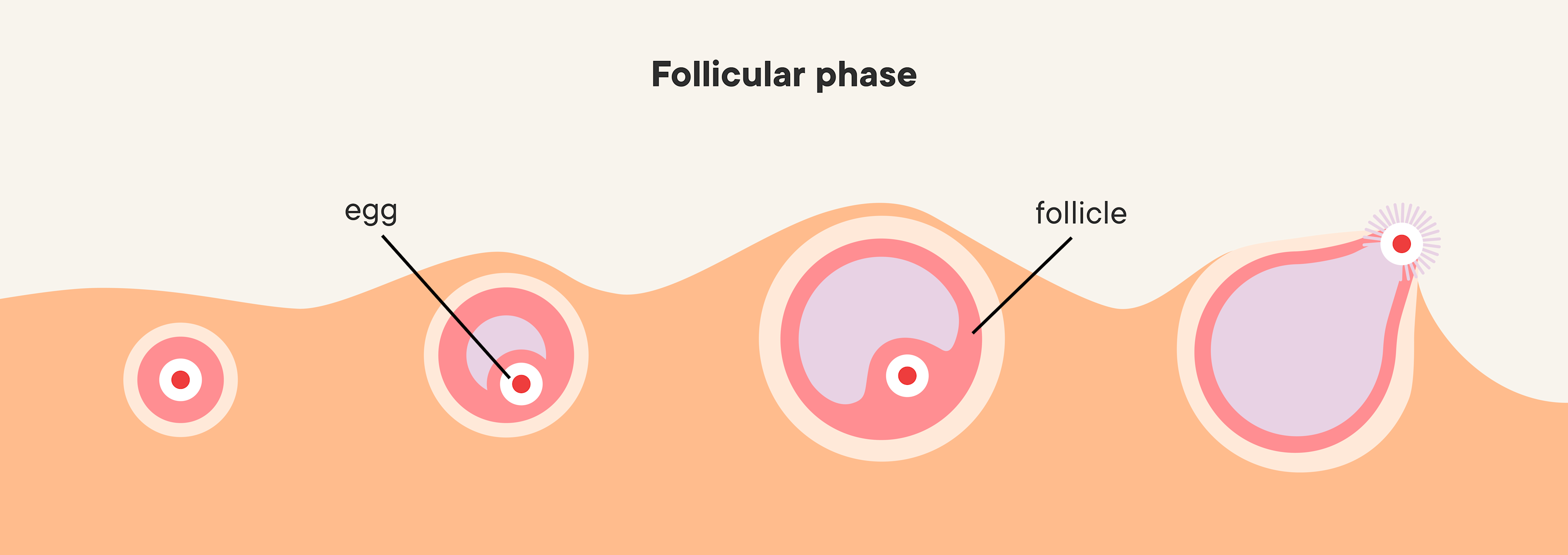
Ovulation is a central part of the menstrual cycle and a key factor for women trying to conceive. Understanding when ovulation occurs, recognizing the signs, and tracking your fertile window can help increase the chances of pregnancy.
An ovulation calculator or tracking app can guide you by estimating your most fertile days, providing insights into your cycle, and helping you plan conception effectively. This article explores what ovulation is, signs to watch for, your fertile window, tracking methods, and lifestyle tips to support fertility naturally.
What Ovulation Is and Why It Matters
Ovulation is the release of a mature egg from the ovary, typically occurring once per menstrual cycle. The egg travels down the fallopian tube, where it may meet sperm and result in fertilization.
Key Facts:
-
Ovulation usually occurs around the midpoint of a 28-day cycle (day 14), but timing can vary.
-
The egg is viable for 12–24 hours, while sperm can survive 3–5 days in the reproductive tract.
-
Understanding ovulation is essential for timing intercourse for conception.
Ovulation is not only important for conception but also provides insight into hormonal health, cycle regularity, and overall reproductive wellness.
Signs of Ovulation
Many women experience physical and physiological signs when ovulating. Recognizing these can help track fertility naturally.
Common Ovulation Signs:
-
Changes in Cervical Mucus
-
Becomes clear, slippery, and stretchy (like egg whites)
-
Indicates high fertility
-
-
Basal Body Temperature (BBT) Shift
-
Slight rise in BBT (0.5–1°F) after ovulation
-
Track daily upon waking to detect patterns
-
-
Mild Ovulation Pain (Mittelschmerz)
-
Cramping or twinges on one side of the lower abdomen
-
Usually lasts a few hours to a day
-
-
Breast Sensitivity
-
Hormonal changes may cause tender breasts
-
-
Increased Libido
-
Natural increase in sexual desire around ovulation
-
-
Light Spotting or Discharge Changes
-
Some women notice slight spotting when the egg is released
-
Tracking these signs daily can help predict ovulation more accurately and identify fertile windows.
Fertile Window and Chances of Conception
The fertile window is the period during which intercourse is most likely to result in pregnancy.
Understanding the Window:
-
Typically spans 6 days: the 5 days before ovulation and the day of ovulation itself
-
Fertility peaks on the day before and the day of ovulation
-
Sperm survival (3–5 days) and egg viability (12–24 hours) define this window
Chances of Conception:
-
Highest probability: intercourse on ovulation day or the day before
-
Moderate probability: 2–3 days before ovulation
-
Low probability: more than 5 days before or after ovulation
Knowing your fertile window is essential for planning pregnancy or avoiding conception naturally.
How to Track Ovulation With an App or at Home
Ovulation can be tracked using apps, at-home methods, or a combination of both:
1. Ovulation Apps and Calculators
-
Enter your period start dates, cycle length, and past ovulation patterns
-
Apps estimate fertile days and ovulation dates
-
Some apps track symptoms like cervical mucus, BBT, and ovulation test results
2. Basal Body Temperature (BBT) Tracking
-
Measure temperature every morning before getting out of bed
-
Record for several cycles to identify ovulation patterns
-
A small temperature rise signals post-ovulation
3. Cervical Mucus Observation
-
Track changes in cervical mucus daily
-
Egg-white consistency indicates peak fertility
4. Ovulation Predictor Kits (OPKs)
-
Detect luteinizing hormone (LH) surge 12–36 hours before ovulation
-
Useful for precise timing of intercourse
5. Combination Approach
-
Use an app + BBT + cervical mucus tracking + OPKs
-
Provides a highly accurate picture of fertile windows and ovulation timing
Lifestyle Tips to Boost Fertility Naturally
Certain lifestyle choices can enhance reproductive health and support ovulation:
1. Maintain a Balanced Diet
-
Include protein, healthy fats, vitamins, and minerals
-
Folate, zinc, and vitamin D support ovulation and egg quality
2. Exercise Regularly
-
Moderate activity improves circulation and hormonal balance
-
Avoid extreme exercise, which can disrupt cycles
3. Manage Stress
-
Chronic stress may delay ovulation or affect hormonal regulation
-
Mindfulness, meditation, and yoga can help maintain cycle regularity
4. Maintain a Healthy Weight
-
Being underweight or overweight can affect ovulation
-
Aim for a BMI within a healthy range for optimal reproductive function
5. Avoid Smoking and Excess Alcohol
-
Both can reduce fertility and affect egg quality
-
Limit caffeine and avoid recreational drugs
6. Track Cycles Consistently
-
Logging periods, BBT, cervical mucus, and symptoms improves fertility awareness
Benefits of Using an Ovulation Calculator
An ovulation calculator simplifies tracking and improves fertility planning:
-
Predicts your fertile window based on cycle length and ovulation patterns
-
Helps time intercourse to maximize chances of conception
-
Tracks irregular cycles and highlights patterns for medical consultation
-
Integrates with other reproductive health tracking, including period, implantation, and pregnancy tests
Modern apps often combine cycle data with ovulation kits and basal temperature readings for personalized fertility insights.
When to Consult a Healthcare Provider
Consult a doctor if you experience:
-
Irregular or absent cycles
-
Difficulty detecting ovulation despite tracking
-
Hormonal imbalances (PCOS, thyroid issues)
-
Recurrent failed conception attempts
Professional guidance ensures early identification of fertility issues and helps develop a personalized plan for conception.
Final Thoughts
Understanding ovulation and tracking your fertile window is key to successful conception and reproductive awareness. An ovulation calculator, along with home tracking methods, provides clarity and empowers you to plan effectively.
Key Takeaways:
-
Ovulation occurs mid-cycle and is crucial for conception
-
Recognizing signs like cervical mucus changes, BBT shift, and mild cramping helps identify fertile days
-
The fertile window is typically 6 days, with peak chances on ovulation day and the day before
-
Tracking ovulation with apps, basal temperature, and ovulation kits improves accuracy
-
Lifestyle factors—diet, exercise, stress management—support healthy ovulation
By understanding your body and using ovulation tracking tools, you can maximize fertility, plan pregnancy, and take control of your reproductive health.