Understanding Early Pregnancy Changes
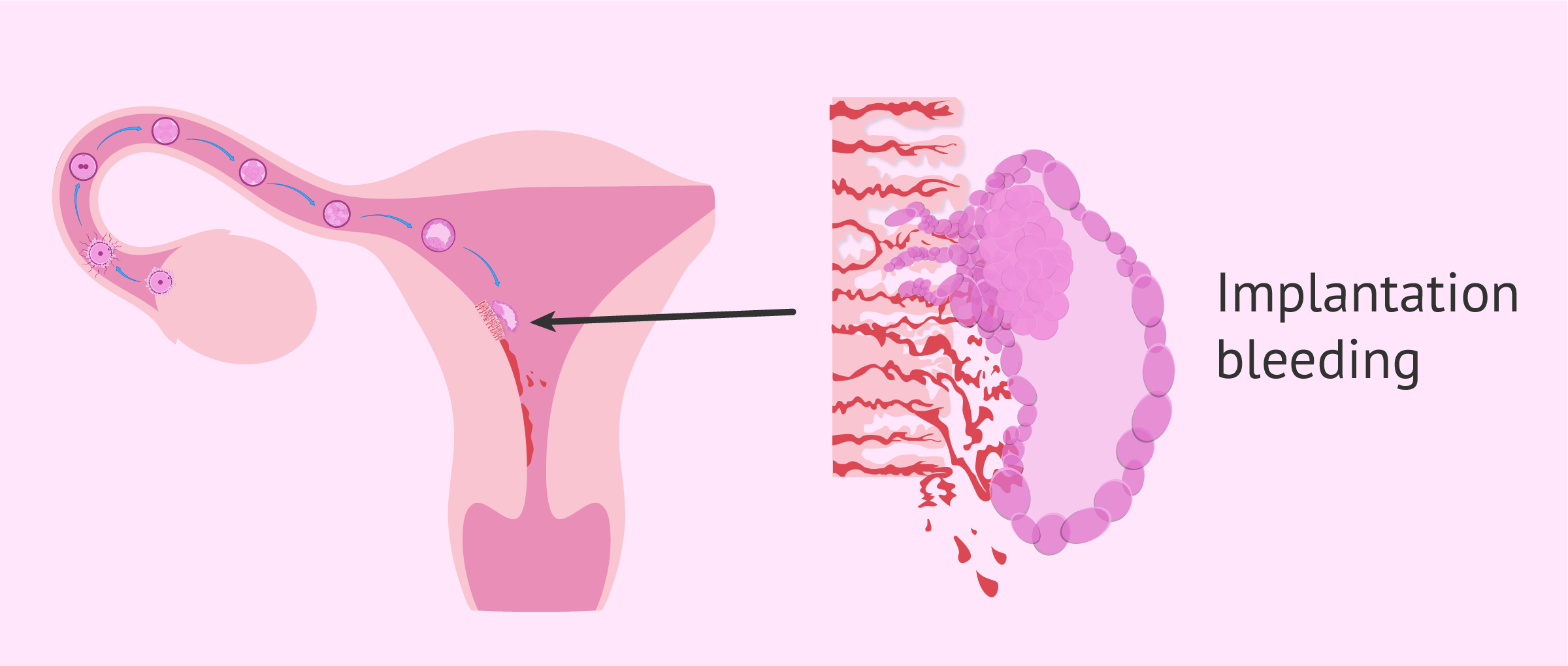
Pregnancy begins long before a positive test. One of the earliest events in conception is implantation, when a fertilized egg attaches to the uterine lining. Understanding implantation, its timing, and early signs can help you track your fertility, plan for pregnancy, and recognize changes in your body.
Using an implantation calculator or tracking tool allows you to estimate when implantation likely occurred, understand early pregnancy symptoms, and make informed decisions about testing and care. This article explores what implantation is, common symptoms, its effect on early pregnancy tests, how tracking helps, and when to consult a doctor.
What Is Implantation and When It Happens
Implantation is the process when a fertilized egg (zygote) attaches to the uterine lining (endometrium), establishing the foundation for pregnancy.
Key Points:
-
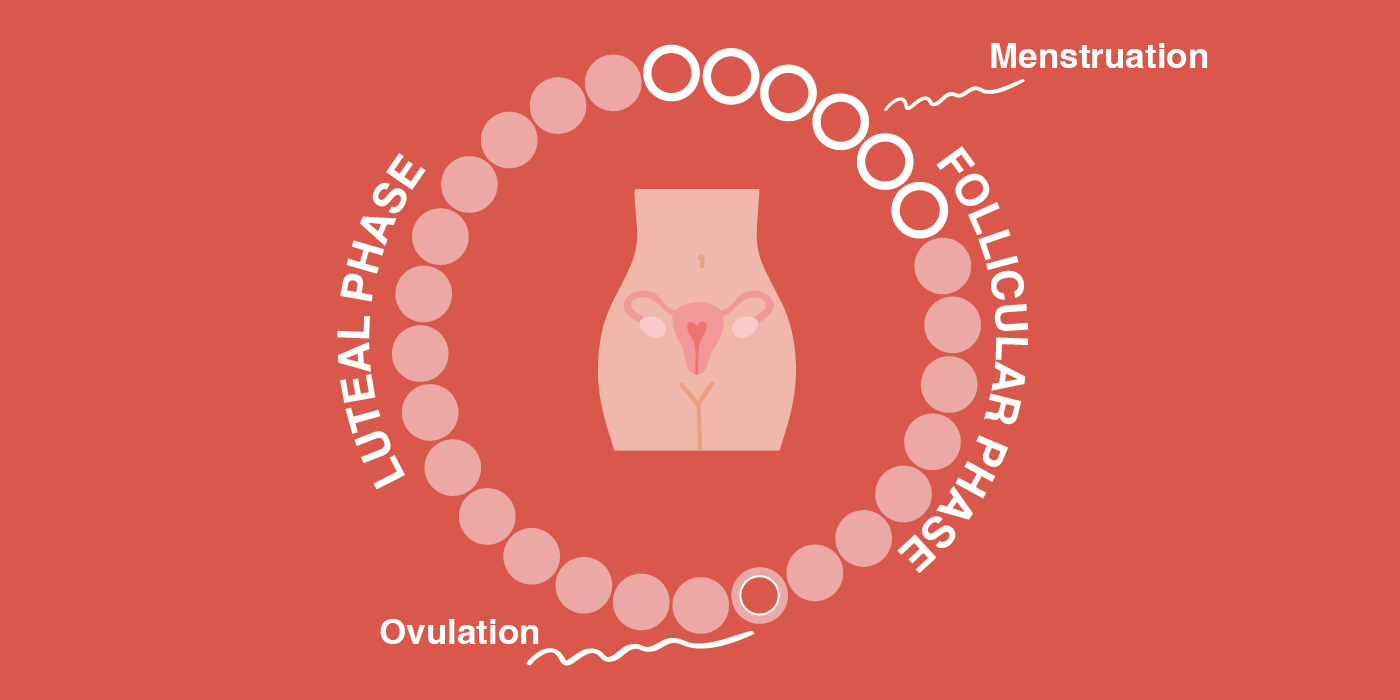
Implantation usually occurs 6–12 days after ovulation.
-
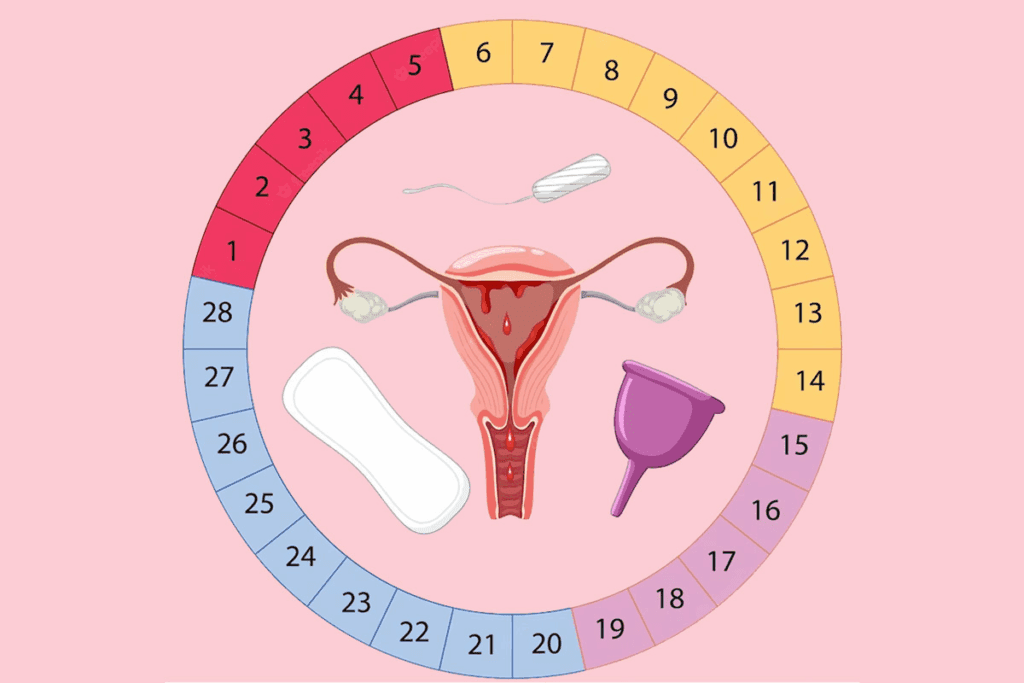
For women with a typical 28-day cycle, this is roughly 20–26 days after the first day of the last menstrual period (LMP).
-
Successful implantation triggers hormonal changes, including increased human chorionic gonadotropin (hCG), which can later be detected by pregnancy tests.
Why it matters:
Tracking implantation helps you understand the earliest stage of pregnancy, anticipate testing, and notice subtle bodily changes. Knowing when implantation likely occurs can help manage expectations and guide decisions about early pregnancy care.
Common Implantation Symptoms
Not every woman experiences noticeable symptoms during implantation, but some may notice subtle changes:
-
Light Spotting or Implantation Bleeding
-
Usually pink or brown in color
-
Occurs 1–2 days and is lighter than a regular period
-
-
Mild Cramping
-
Gentle, localized abdominal discomfort
-
Often less intense than menstrual cramps
-
-
Breast Changes
-
Tenderness, swelling, or sensitivity
-
Due to early hormone shifts
-
-
Fatigue
-
Rising progesterone can increase sleepiness and tiredness
-
-
Mood Changes
-
Emotional shifts may occur due to hormonal fluctuations
-
-
Increased Basal Body Temperature
-
If tracking ovulation, you may notice sustained higher temperatures
-
Tracking tip: Record these symptoms in a fertility or implantation tracker. Patterns over time can help identify early pregnancy or pinpoint fertile windows.
How Implantation Affects Early Pregnancy Tests
The timing of implantation directly influences when a pregnancy test can detect hCG:
-
Pregnancy tests detect hCG, which begins rising shortly after implantation.
-
Home pregnancy tests are most accurate after implantation occurs and hCG levels are high enough, usually around 12–14 days post-ovulation.
-
Testing too early may result in a false negative even if implantation has occurred.
Tips for testing:
-
Wait until at least the first day of your expected period for more reliable results.
-
Use a sensitive pregnancy test if testing before your period.
-
Track implantation timing with a calculator or fertility app to determine the earliest safe testing day.
How Tracking Implantation Helps Plan Next Steps
Using an implantation tracker or calculator can help you:
-
Estimate Fertility and Ovulation Windows
-
Understand when conception was most likely to occur
-
Align testing and healthcare decisions accordingly
-
-
Predict Early Pregnancy Symptoms
-
Prepare for potential fatigue, breast tenderness, or mild cramping
-
-
Plan Testing Timing
-
Avoid false negatives by testing after implantation
-
Track hCG rise for early pregnancy confirmation
-
-
Monitor Health Changes
-
Record bleeding, cramping, and other symptoms
-
Identify abnormal patterns early
-
By combining cycle tracking, ovulation tracking, and implantation calculators, you gain a comprehensive picture of your fertility and early pregnancy timeline.
Signs to Monitor and When to Consult a Doctor
While implantation is usually a natural and low-risk process, there are certain signs to watch for:
Normal signs to monitor:
-
Light spotting (pink or brown)
-
Mild, short-lived cramping
-
Fatigue and slight breast tenderness
Signs that require medical attention:
-
Heavy or prolonged bleeding
-
Severe abdominal pain
-
Dizziness or fainting
-
Symptoms of infection (fever, foul discharge)
-
Spotting accompanied by severe cramps or unusual discharge
Tip: Early consultation is important if you experience abnormal symptoms, especially if you are trying to conceive or have a history of reproductive issues. Accurate tracking helps your doctor evaluate your situation effectively.
Using an Implantation Calculator
Implantation calculators help estimate when implantation is likely to have occurred based on ovulation or conception dates:
-
Input: Ovulation date, cycle length, or intercourse date
-
Output: Likely implantation window (usually 6–12 days post-ovulation)
-
Benefits:
-
Improves timing for pregnancy tests
-
Helps anticipate early pregnancy symptoms
-
Supports fertility planning
-
Some apps integrate implantation tracking with basal body temperature, ovulation tests, and cycle data, giving a full overview of your reproductive timeline.
Lifestyle Tips During Implantation
Supporting your body during implantation may improve comfort and reproductive health:
-
Maintain Balanced Nutrition
-
Focus on folic acid, iron, protein, and vitamins
-
-
Stay Hydrated
-
Adequate water intake supports cellular function
-
-
Moderate Activity
-
Gentle exercise like walking or yoga can improve circulation
-
Avoid high-risk or strenuous activity
-
-
Manage Stress
-
Relaxation techniques, meditation, and proper sleep may help maintain hormone balance
-
-
Avoid Harmful Substances
-
Refrain from smoking, alcohol, or excessive caffeine
-
Although lifestyle cannot guarantee implantation, it can support a healthy environment for early pregnancy.
Why Implantation Awareness Matters
Understanding implantation benefits women trying to conceive as well as those tracking reproductive health:
-
Improves fertility awareness
-
Helps plan timing for testing and medical consultation
-
Reduces stress by understanding normal versus abnormal signs
-
Provides insight into early pregnancy development
Tracking implantation is an important tool for proactive reproductive health management.
Final Thoughts
Implantation is the first step in pregnancy that sets the stage for fetal development and hormone changes. While subtle, tracking implantation provides valuable insight into your reproductive health, early pregnancy signs, and the best timing for tests.
Key takeaways:
-
Implantation typically occurs 6–12 days post-ovulation
-
Symptoms may include light spotting, mild cramping, fatigue, and breast tenderness
-
Early pregnancy tests are most reliable after implantation and hCG rise
-
Using implantation calculators improves planning and reduces uncertainty
-
Monitor signs carefully and consult your healthcare provider for any abnormalities
By combining cycle tracking, ovulation monitoring, and implantation awareness, you gain a comprehensive understanding of your fertility and early pregnancy, empowering you to make informed decisions and support a healthy start for your baby.
Related Articles
Understanding Fertility Windows and Planning for Conception

Menstrual Hygiene Tips During Your Period

Common Cycle Changes and When to Worry
Understanding Your Menstrual Cycle and Tracking Your Period
How to Track Your Period Accurately Using a Cycle Tracker
What a Healthy Menstrual Cycle Looks Like

What Happens in Your Body During Menstruation
Understanding Your Baby’s Timeline