Menstrual Hygiene Tips During Your Period

Maintaining proper menstrual hygiene is essential for both comfort and health during your period. Good hygiene practices prevent infections, reduce discomfort, and help you feel confident throughout the menstrual phase. While many people focus solely on changing pads or tampons, menstrual hygiene includes a combination of cleaning, product use, clothing choices, and lifestyle habits.
Tracking your cycle alongside menstrual hygiene can also help you identify patterns, such as changes in flow, symptoms, or potential infections, and can support pregnancy tracking by distinguishing normal changes from unusual signs. This guide provides comprehensive menstrual hygiene tips that apply across all cycle phases, especially during the menstrual phase, and can be used whether your goal is cycle tracking or pregnancy awareness.
Track Cycle: Why Menstrual Hygiene Matters
Cycle tracking isn’t just about dates and symptoms. Recording hygiene practices, flow changes, and any discomfort during your period helps you:
-
Identify abnormal bleeding or unusual odors
-
Monitor symptom severity, like cramps or fatigue
-
Recognize patterns that affect comfort and health
-
Connect lifestyle factors with menstrual health
Accurate tracking ensures that hygiene issues don’t go unnoticed and helps you maintain optimal reproductive health.
Track Pregnancy: Hygiene and Early Signs
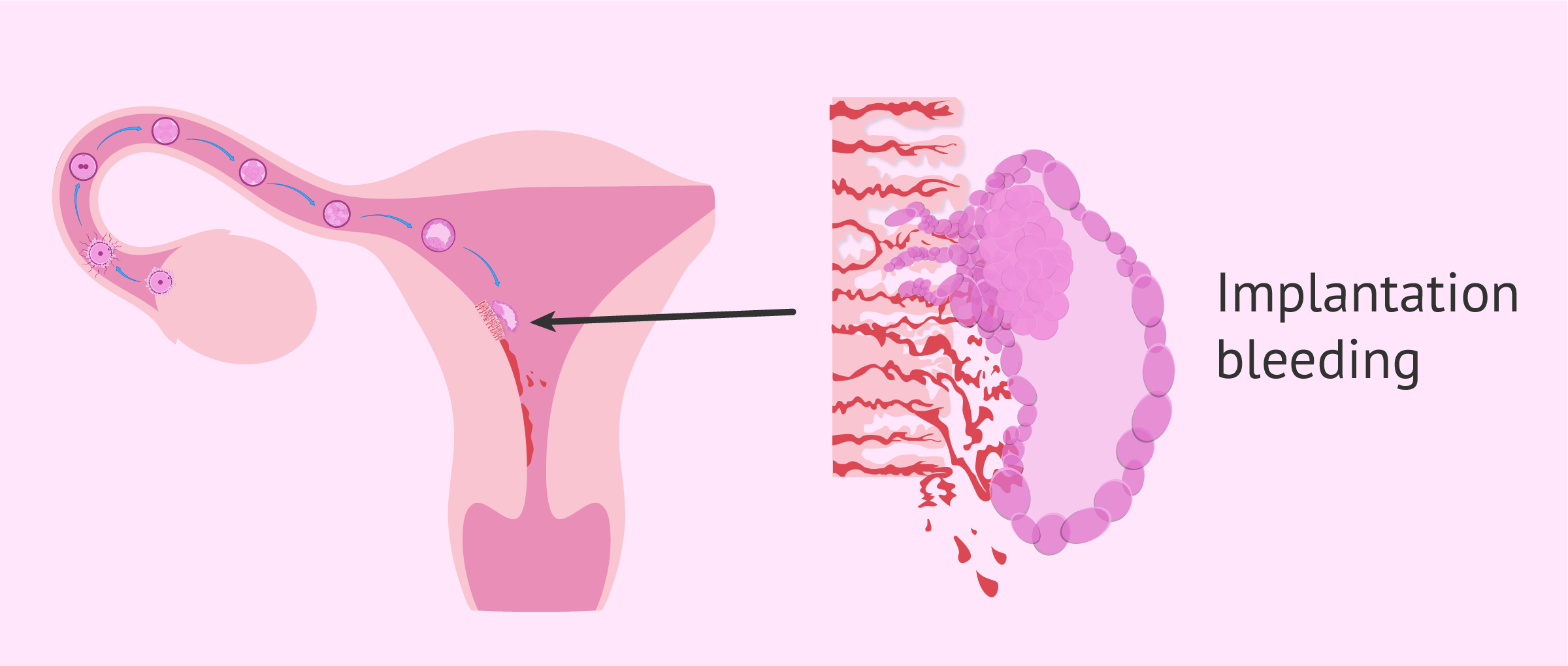
Menstrual hygiene is also relevant to pregnancy tracking. Some early pregnancy signs, such as implantation spotting, can resemble period changes. Maintaining good hygiene helps you:
-
Distinguish between normal menstrual blood and unusual discharge
-
Avoid infections that might confuse symptoms
-
Observe patterns that may indicate pregnancy or late periods
Keeping a detailed log of hygiene habits and symptoms enhances both cycle tracking and pregnancy awareness.
Normal Cycle: Menstrual Hygiene Fundamentals
For a healthy cycle, menstrual hygiene basics include:
-
Changing pads or tampons regularly: Every 4–6 hours for tampons, 3–4 hours for pads depending on flow
-
Washing hands before and after changing products
-
Cleaning genital area daily with mild, unscented soap and water
-
Wearing breathable cotton underwear to reduce moisture buildup
Tracking tip: Log your product usage, flow intensity, and any discomfort. This helps identify patterns and prevent infections.
Pregnancy relevance: Observing flow patterns and changes during the period helps distinguish a normal period from potential implantation bleeding.
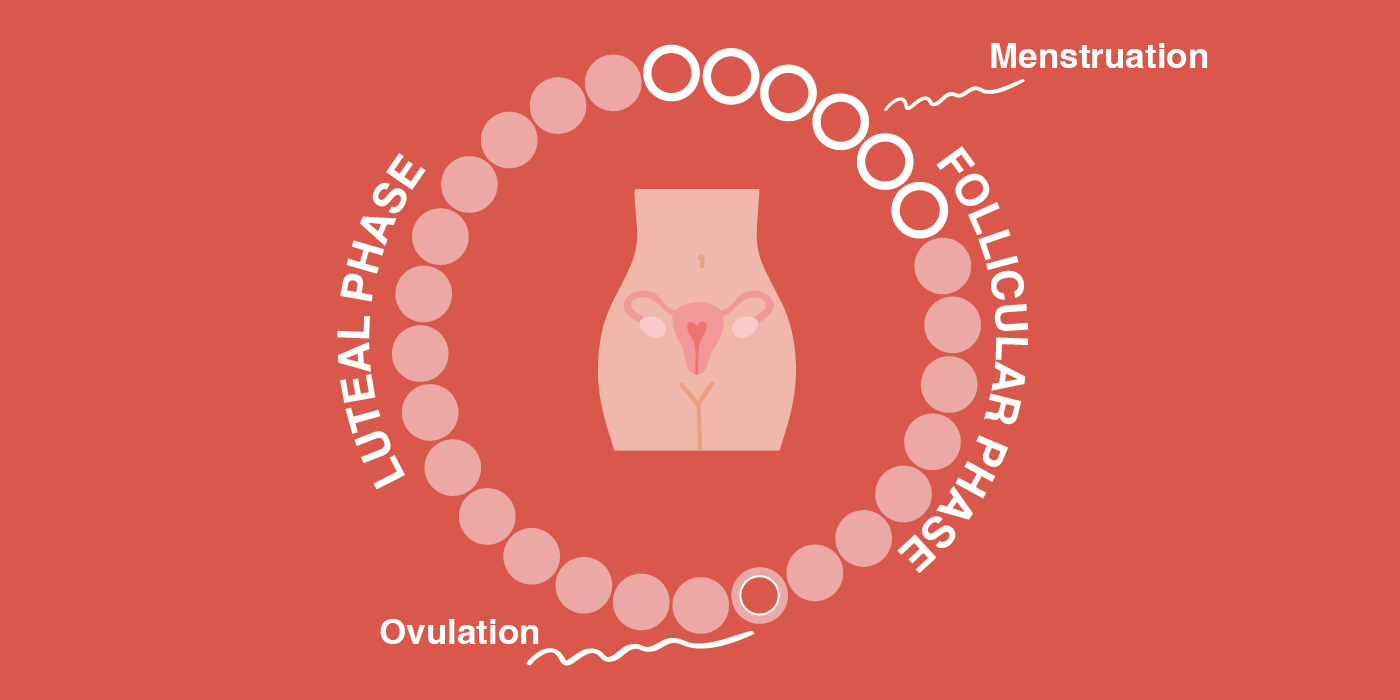
Menstrual Phase: Hygiene Tips During Your Period
During the menstrual phase, hygiene is crucial because the risk of irritation and infections is higher.
Key tips:
-
Change menstrual products frequently
-
Tampons: every 4–6 hours
-
Pads: every 3–4 hours
-
Menstrual cups: follow product guidelines, usually every 8–12 hours
-
-
Maintain external cleanliness
-
Wash genital area with warm water
-
Avoid harsh soaps or scented products that can irritate
-
-
Wear breathable clothing
-
Loose cotton underwear
-
Avoid tight-fitting synthetic fabrics
-
-
Monitor symptoms
-
Track unusual odor, discharge, or itching
-
Note changes in flow or pain
-
Pregnancy relevance: Maintaining hygiene helps you notice subtle early pregnancy signs like implantation spotting or breast tenderness.
Follicular Phase: Maintaining Hygiene After Menstruation
Even after your period ends, maintaining good hygiene is important:
-
Shower regularly, especially after workouts
-
Change underwear daily
-
Monitor cervical mucus for normal post-period discharge
-
Track hygiene and symptoms to observe patterns
A healthy hygiene routine in this phase supports comfort and prevents bacterial growth, especially as your body prepares for ovulation.
Pregnancy relevance: Proper hygiene supports reproductive health, ensuring fertility is not impacted by infections.
Ovulation Phase: Extra Attention to Vaginal Health
Ovulation brings increased cervical mucus and changes in vaginal secretions. Hygiene practices are important to avoid discomfort or infections:
-
Wear breathable underwear
-
Avoid douching, as it disrupts natural vaginal flora
-
Gently cleanse with water if mucus is abundant
-
Track ovulation symptoms such as mucus consistency, mild cramps, and libido
Good hygiene during ovulation supports both comfort and fertility awareness, helping you accurately track fertile windows.
Pregnancy relevance: Tracking ovulation alongside hygiene ensures early detection of potential conception and prevents infection-related issues.
Luteal Phase: Comfort and Cleanliness
During the luteal phase, PMS symptoms may appear, including bloating or mood changes. Hygiene practices help manage discomfort:
-
Shower regularly, especially during heavy activity
-
Wear breathable fabrics to reduce moisture and irritation
-
Track symptoms such as breast tenderness, mood, or digestive changes
Maintaining cleanliness can reduce discomfort and support emotional well-being during this phase.
Pregnancy relevance: If conception occurs, proper hygiene ensures a healthy environment in the days following ovulation and implantation.
Late Period: Hygiene When Period Is Delayed
Late periods can be confusing, but hygiene practices remain important:
-
Continue daily cleansing and wearing breathable clothing
-
Use panty liners if spotting occurs
-
Track any changes in flow, odor, or discomfort
-
Maintain product rotation if spotting is heavier than usual
Late periods sometimes indicate pregnancy. Maintaining good hygiene helps you notice subtle signs, such as light bleeding or discharge changes.
Product Choices for Effective Menstrual Hygiene
Selecting the right products enhances comfort and safety:
-
Pads: Available in different absorbencies for day and night use
-
Tampons: Change regularly to prevent toxic shock syndrome
-
Menstrual cups: Eco-friendly and safe when cleaned properly
-
Period underwear: Comfortable for light to medium flow
-
Panty liners: Useful for spotting or late period protection
Tracking tip: Record which products you use, frequency of change, and any irritation to optimize comfort and hygiene.
Lifestyle Habits That Support Menstrual Hygiene
Good hygiene also depends on lifestyle choices:
-
Hydration: Helps reduce cramps and supports natural vaginal balance
-
Balanced diet: Supports healthy blood flow and hormone regulation
-
Exercise: Improves circulation and reduces bloating
-
Stress management: Stress can affect flow and hormone balance
Tracking lifestyle alongside hygiene practices ensures a full picture of menstrual health.
Signs You Should Seek Medical Advice
While proper hygiene prevents most issues, see a healthcare provider if you notice:
-
Strong or foul odor
-
Itching or irritation
-
Unusually heavy bleeding or clotting
-
Persistent pain beyond normal cramps
-
Abnormal discharge outside your period
Accurate tracking over several cycles helps your doctor identify patterns and provide the best care.
Why Cycle & Pregnancy Tracking Pair Well With Menstrual Hygiene
Monitoring your period and reproductive health goes beyond dates:
-
Identify subtle changes in flow or discharge
-
Track symptoms across phases
-
Detect early pregnancy signs
-
Observe lifestyle impacts on menstrual health
Digital cycle trackers allow you to combine period dates, flow, hygiene habits, and symptoms into a single comprehensive overview.
Final Thoughts
Menstrual hygiene is more than just changing pads or tampons. It’s about daily care, product management, comfort, and symptom awareness. Maintaining proper hygiene throughout your menstrual cycle—from menstruation to late periods—supports reproductive health, comfort, and fertility awareness.
By combining hygiene habits with cycle and pregnancy tracking, you can make informed choices, prevent infections, and better understand your body’s needs. Awareness and consistency are the keys to staying healthy and confident every month.
Related Articles
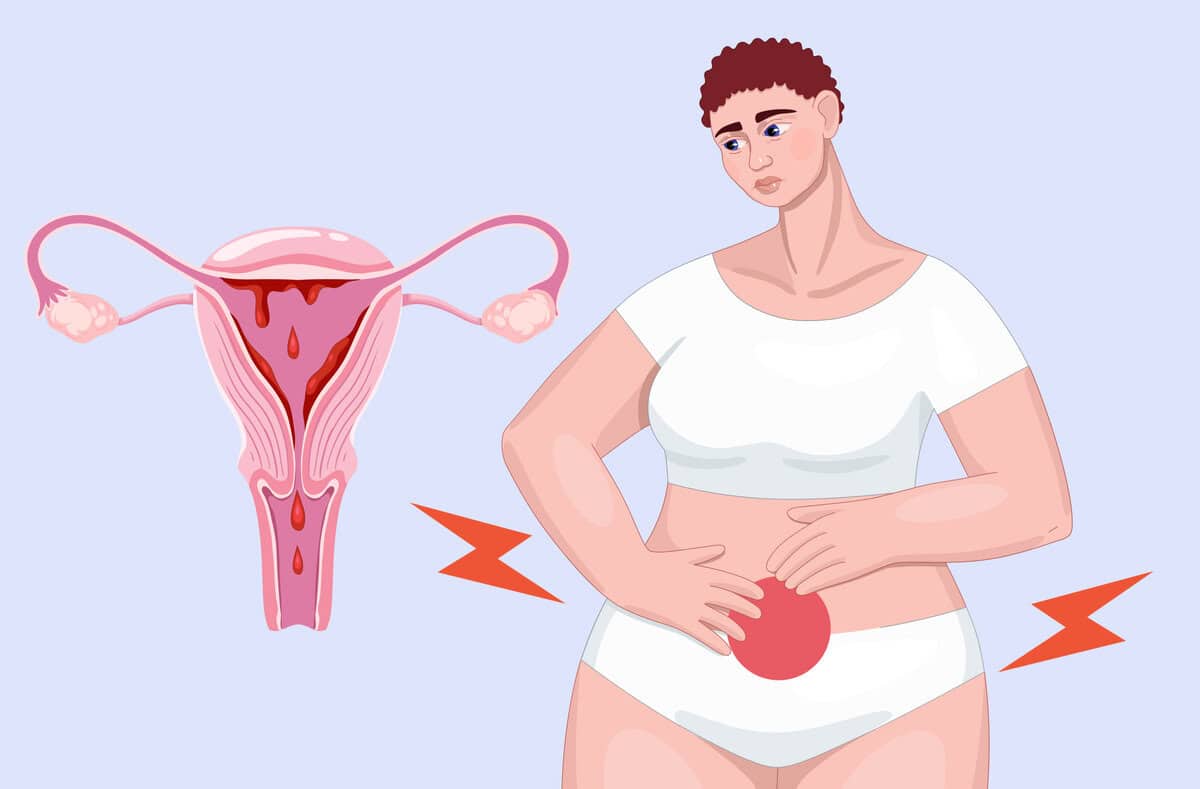
How Lifestyle Affects Your Menstrual Cycle
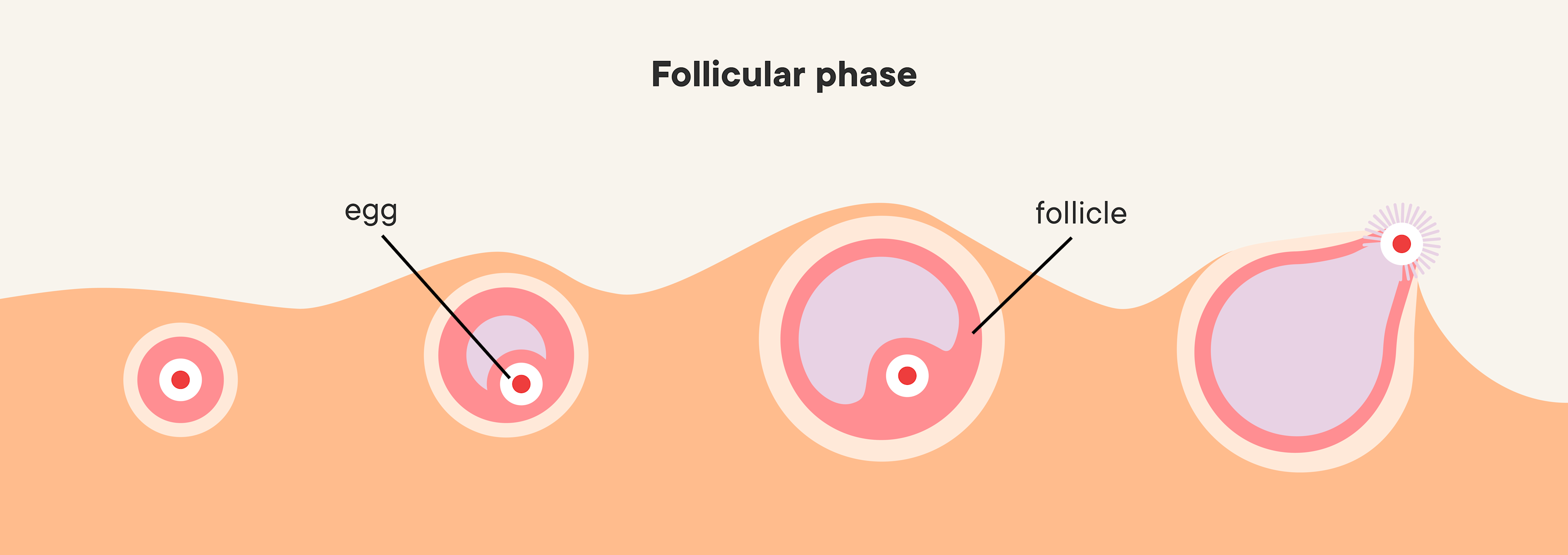
Understanding Fertility Windows and Planning for Conception
Understanding Your Menstrual Cycle and Tracking Your Period
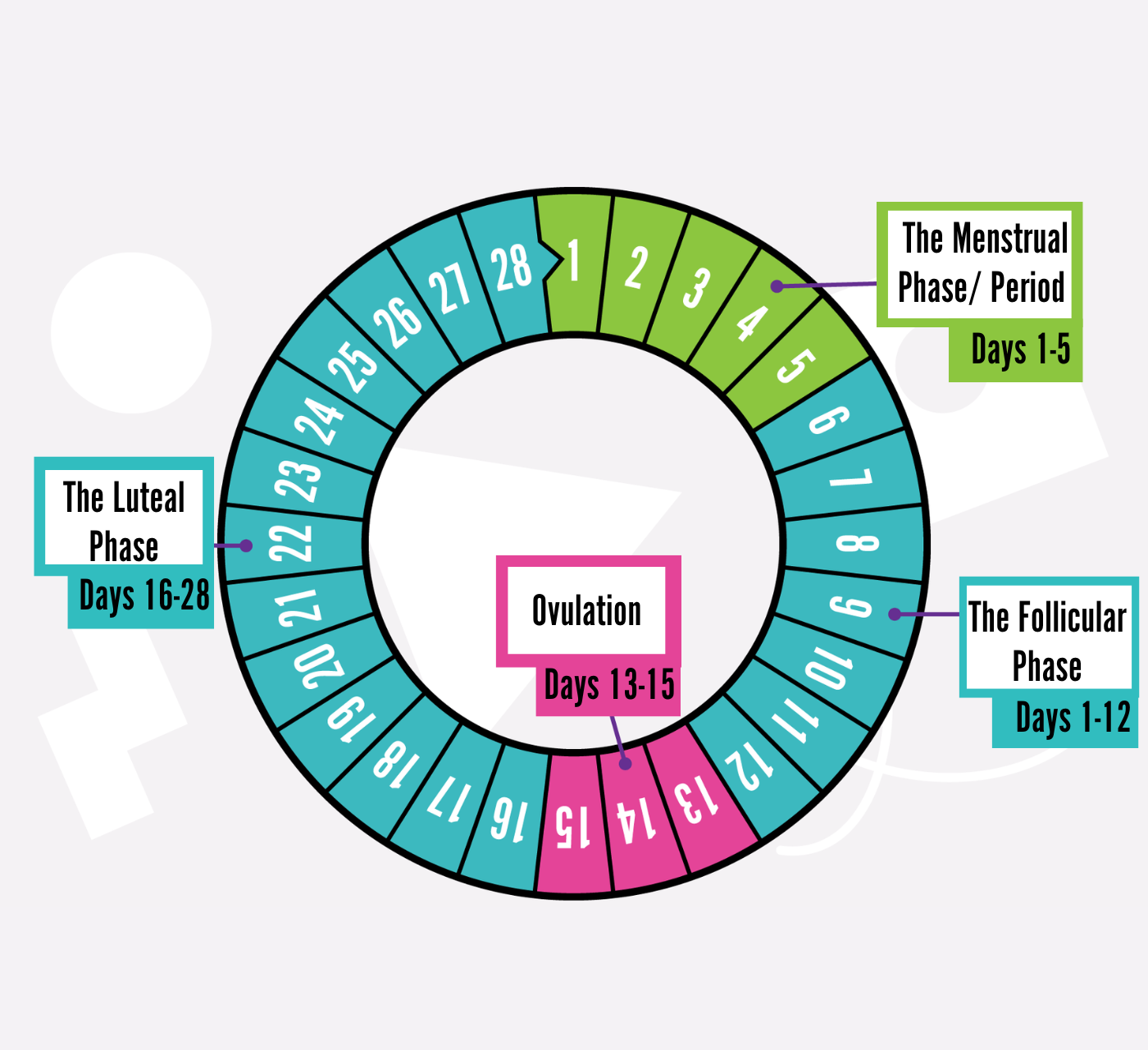
Understanding Your Menstrual Cycle: What Each Phase Means
What a Healthy Menstrual Cycle Looks Like
Understanding Early Pregnancy Changes
What Happens in Your Body During Menstruation
Common Cycle Changes and When to Worry