How to Track Your Period Accurately Using a Cycle Tracker
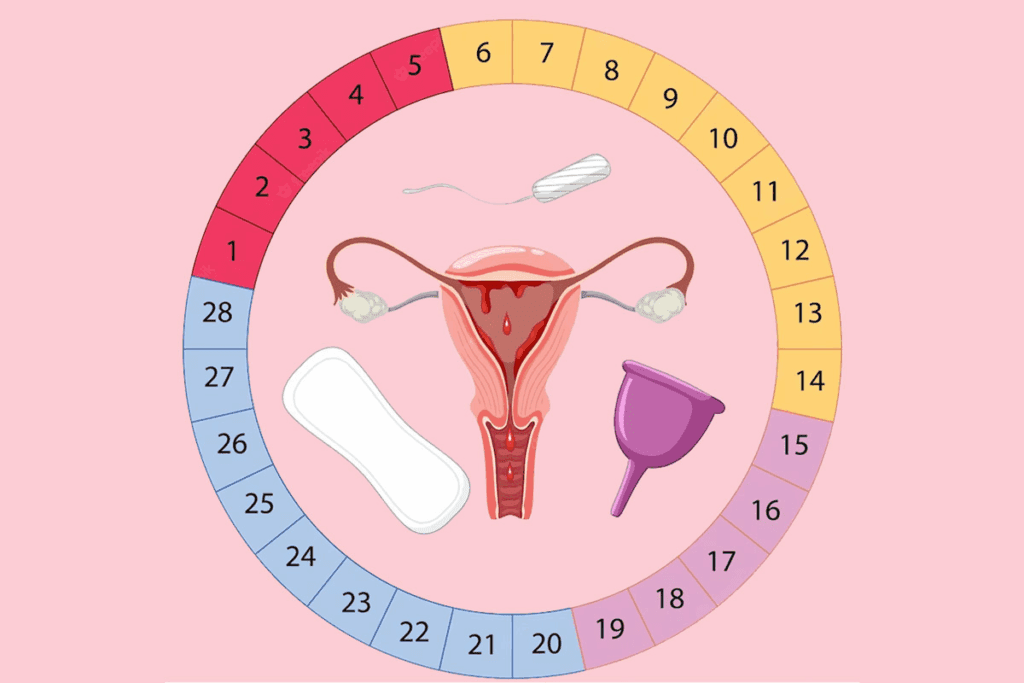
Tracking your period accurately is one of the most effective ways to understand your body, manage your reproductive health, and plan for the future. Whether you want to predict your next period, identify fertile days, track pregnancy signs, or simply feel more in control of your health, a cycle tracker can make the process simple and reliable.
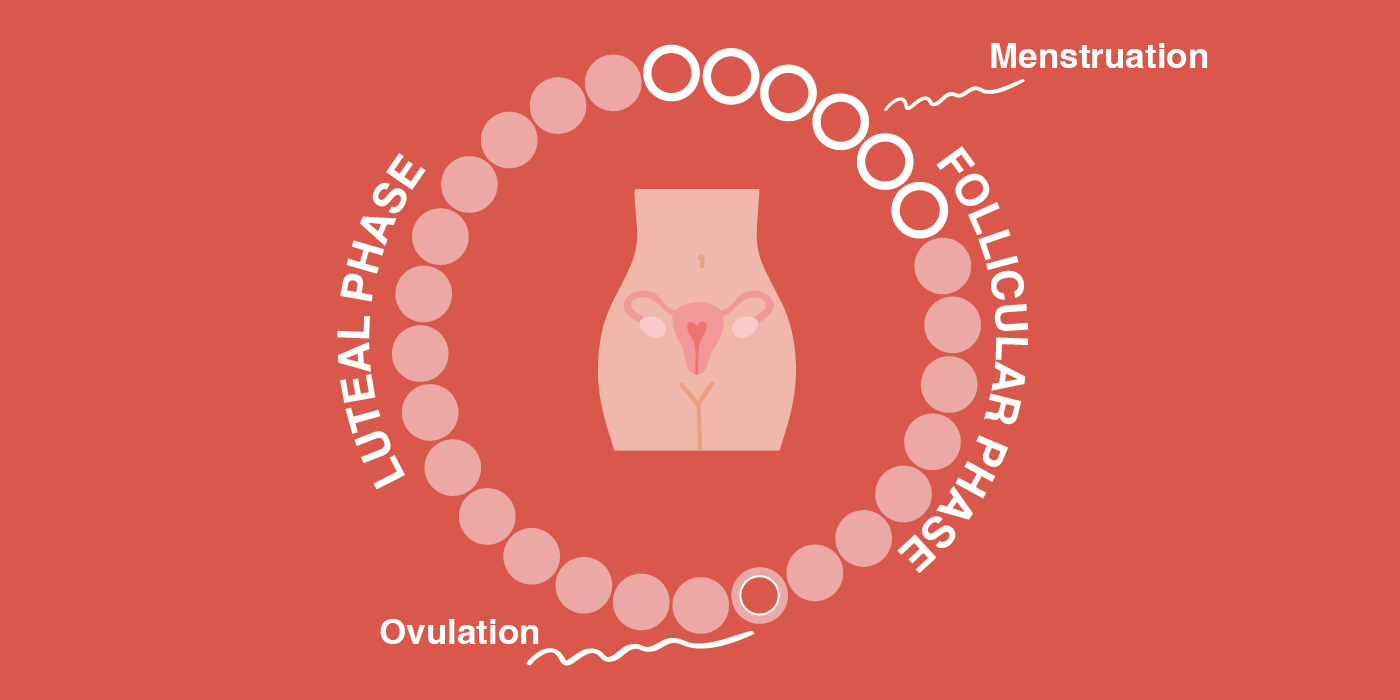
A menstrual cycle tracker—used through a website or mobile app—helps you record daily changes and turns them into meaningful insights. Over time, this information allows you to understand patterns across your normal cycle, menstrual phase, follicular phase, ovulation phase, luteal phase, and even late periods.
This article explains how to track your period accurately, what to record, and how cycle tracking connects directly to pregnancy awareness.
Track Cycle: What Period Tracking Really Means
Tracking your cycle is more than marking the days you bleed. Accurate cycle tracking involves recording physical, emotional, and hormonal changes throughout the month.
A cycle tracker helps you:
-
Predict your next period
-
Understand cycle length and regularity
-
Identify ovulation and fertile days
-
Notice hormonal patterns
-
Detect irregularities early
To track your cycle accurately, consistency is key. Recording information daily—even when nothing seems to change—creates a clearer picture over time.
Track Pregnancy: Why Accurate Tracking Matters
Pregnancy tracking begins with cycle tracking. Because pregnancy can only happen during ovulation, knowing your cycle phases helps you:
-
Increase chances of conception
-
Avoid unintended pregnancy
-
Recognize early pregnancy symptoms
-
Understand why a period is late
A well-used cycle tracker can estimate ovulation, highlight fertile windows, and alert you when a missed or late period could indicate pregnancy.
Normal Cycle: Setting Your Personal Baseline
What is a normal cycle?
A normal menstrual cycle usually lasts between 21 and 35 days, counted from the first day of one period to the first day of the next.
However, “normal” is personal. Your cycle may be longer or shorter than someone else’s and still be healthy.
How to track a normal cycle accurately
-
Log the first day of bleeding every month
-
Track how many days your period lasts
-
Observe how many days are between periods
-
Record symptoms, energy levels, and mood
After tracking for 3–6 months, your cycle tracker can identify patterns and predict future cycles more accurately.
Why this matters for pregnancy tracking:
Knowing your baseline cycle length helps determine ovulation timing and identify when a period is truly late.
Menstrual Phase: Tracking the Start of Your Cycle
What it is:
The menstrual phase begins on the first day of your period and usually lasts 3–7 days.
What to track during this phase:
-
Start and end dates of bleeding
-
Flow intensity (light, medium, heavy)
-
Cramps or pain
-
Fatigue levels
-
Mood changes
Accurate logging during this phase is essential because it defines the start of your cycle.
Tips for accuracy:
-
Log bleeding the same day it starts
-
Don’t count spotting as a full period unless it turns into flow
-
Be consistent with how you describe symptoms
Pregnancy relevance:
-
A true period usually means pregnancy did not occur
-
However, tracking helps differentiate between a real period and unusual bleeding
Follicular Phase: Tracking Post-Period Changes
What it is:
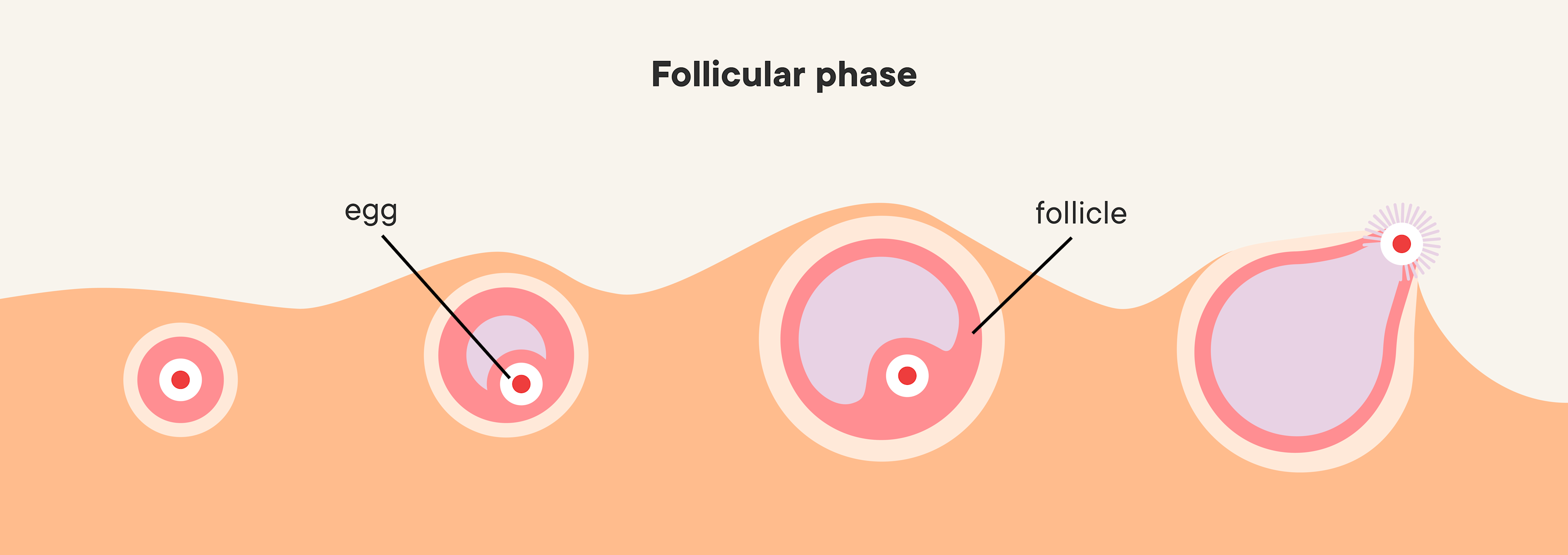
The follicular phase starts after your period ends and lasts until ovulation.
What happens in the body:
-
Estrogen levels rise
-
The ovaries prepare eggs
-
The uterine lining rebuilds
What to track:
-
Energy levels (often increasing)
-
Mood and focus
-
Cervical mucus changes (dry or sticky at first)
-
Motivation and productivity
Why tracking matters:
This phase sets the foundation for ovulation. Logging symptoms helps your cycle tracker refine ovulation predictions.
Pregnancy relevance:
-
Fertility is low at first but gradually increases
-
Accurate tracking helps prepare for the fertile window
Ovulation Phase: Tracking Your Fertile Window
What it is:
Ovulation is when one ovary releases an egg. This is the most important phase for pregnancy tracking.
Key signs to track:
-
Clear, slippery, stretchy cervical mucus
-
Mild lower abdominal pain
-
Increased libido
-
Heightened confidence or social energy
-
Ovulation test results (if used)
How to track ovulation accurately:
-
Log cervical mucus daily
-
Track symptoms consistently
-
Use your cycle tracker’s predictions
-
Confirm patterns over multiple cycles
Why accuracy matters:
-
Pregnancy can only occur during this phase
-
Even small tracking errors can affect fertility predictions
Pregnancy relevance:
-
Unprotected sex during ovulation can lead to pregnancy
-
Tracking helps time intercourse for conception or avoidance
Luteal Phase: Tracking After Ovulation
What it is:
The luteal phase starts after ovulation and ends when your next period begins.
What happens in the body:
-
Progesterone rises
-
The uterus prepares for pregnancy
-
Hormones stabilize, then drop if pregnancy does not occur
What to track:
-
Breast tenderness
-
Bloating
-
Appetite changes
-
Sleep quality
-
Mood shifts or PMS symptoms
Why this phase matters:
The luteal phase length is usually consistent for each person. Tracking it helps detect hormonal imbalances.
Pregnancy relevance:
-
Implantation happens during this phase
-
Early pregnancy symptoms may appear
-
A stable luteal phase supports healthy pregnancy
Late Period: Tracking Delays Accurately
A late period means your period has not arrived by the expected date based on previous cycles.
Common causes of a late period:
-
Pregnancy
-
Stress
-
Travel
-
Illness
-
Delayed ovulation
-
Hormonal changes
How to track a late period:
-
Check ovulation timing
-
Count days since ovulation, not just calendar days
-
Track symptoms such as nausea, fatigue, or spotting
Pregnancy relevance:
-
A late period is often the first pregnancy sign
-
Cycle trackers help distinguish between late ovulation and pregnancy
-
Testing is most accurate after a missed period
Best Practices for Accurate Period Tracking
To get the most accurate results from a cycle tracker:
-
Track daily, not just during your period
-
Be honest and consistent with symptoms
-
Use the same tracker over time
-
Avoid skipping entries
-
Review trends, not single cycles
Accuracy improves with time. The more data you enter, the smarter the predictions become.
Why Use a Website or App to Track Your Cycle
Digital cycle trackers provide:
-
Automatic predictions
-
Phase visualization
-
Fertility windows
-
Pregnancy alerts
-
Long-term health insights
They are especially useful for:
-
Busy lifestyles
-
Pregnancy planning
-
Managing irregular cycles
-
Understanding hormonal health
Final Thoughts
Tracking your period accurately using a cycle tracker is a powerful step toward understanding your body. Each phase—menstrual, follicular, ovulation, luteal, and even late periods—offers valuable information about your reproductive health.
By combining consistent tracking with awareness of pregnancy-related signs, you gain clarity, confidence, and control over your cycle. Over time, your cycle tracker becomes more than a tool—it becomes a personal health guide.
Related Articles
Understanding Your Menstrual Cycle and Tracking Your Period
What Happens in Your Body During Menstruation

Common Cycle Changes and When to Worry
What a Healthy Menstrual Cycle Looks Like
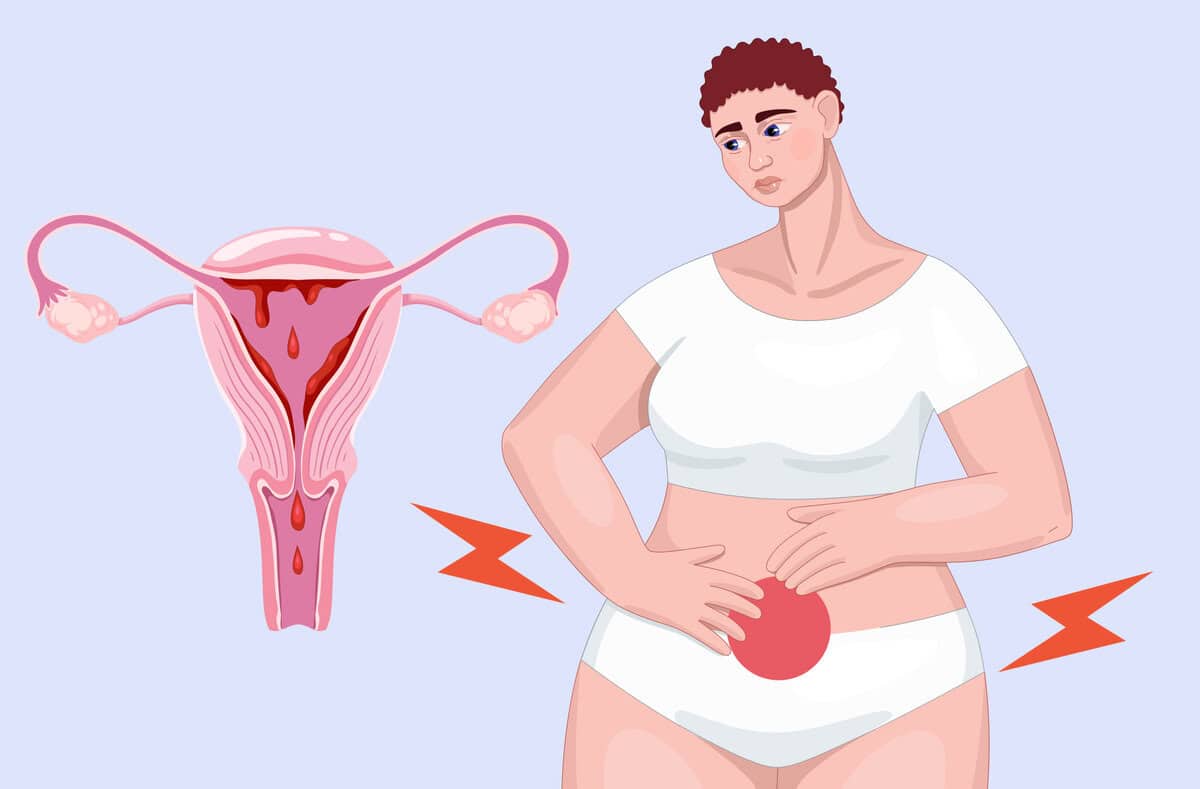
How Lifestyle Affects Your Menstrual Cycle
Understanding Your Baby’s Timeline
Understanding Fertility Windows and Planning for Conception
Understanding Timing, Accuracy, and Results